Yellow leaves turning green and abundant blooming in gardenia: watering with the right kind of water is the key
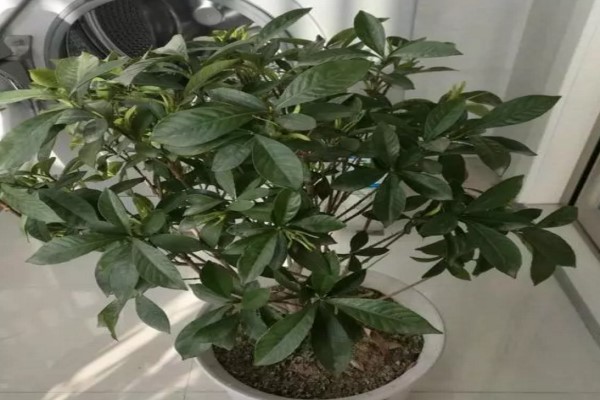
What to do when gardenia leaves turn yellow?
Overwatering causes yellow leaves
Many flower growers, right after getting a gardenia, because they dote on it too much, habitually water it multiple times, causing waterlogging in the soil and hindering the roots' normal respiration.
Solution:
1. Place it in a cool, ventilated spot so the water in the potting soil evaporates as quickly as possible.
2. If overwatering has caused root rot, you need to repot it and replace the soil.
Improper fertilizing causes yellow leaves
1. Iron deficiency
Iron deficiency in the soil causes chlorosis in the plant, mainly showing on newly sprouted leaves, with the leaf surface turning yellow or whitish-yellow, and in severe cases the leaf veins also turn yellow.
Solution:
Dilute ferrous sulfate with water at a ratio of 1:200~300, then spray it on the leaf surface, once every 10-15 days, for 2-3 consecutive times. When the gardenia is disease-free, spray once every one to two months to prevent chlorosis.
2. Nitrogen deficiency
Lack of nitrogen causes gardenia leaves to turn pure yellow, and new leaves to be thin and small.
Solution:
Water once a week with decomposed cake fertilizer water, or a 0.2% potassium dihydrogen phosphate solution, for two to three consecutive times, to supplement nutrients.
Soil compaction causes yellow leaves
When the soil is compacted, not breathable, and salinized, the plant roots' ability to absorb water and nutrients declines.
Solution:
1. Replace the soil, choosing loose, fertile acidic soil, and loosen the soil frequently.
2. When watering normally, you can add a little white vinegar to prevent salinization.
What to do when gardenia does not bloom?
Not pruning in winter leads to no blooming
Stray branches grab nutrients when they grow in spring, and stray branches very easily grow wildly, affecting the plant's photosynthesis, which is bad for bud formation, let alone blooming!
Solution:
Prune the gardenia in winter; cutting off stray branches not only helps bud formation the next year, but also makes the gardenia look better overall.
Excess water and fertilizer leads to no blooming
Excess water and fertilizer easily causes the plant to grow leggy, and the nutrients needed for flower bud growth are taken away, which is bad for blooming.
Solution:
1. Control the amount of water, and do not use high-concentration nitrogen fertilizer.
2. During the flower bud differentiation stage, pay attention to applying more flower fertilizer rich in phosphorus and potassium, such as potassium dihydrogen phosphate or potassium sulfate, to promote flower bud formation.
Unsuitable light leads to no blooming
Gardenia blooming requires sufficient light, but strong light should be avoided; insufficient light is bad for blooming.
Solution:
1. Place the gardenia on a balcony with plenty of sunlight to receive light.
2. Pay special attention to shading the gardenia at noon in summer when the light is strong.
Have you learned today's little gardening tips?
I hope all flower growers can grow beautiful gardenias~
If you find the article useful
Don't forget to share it with your friends~