What soil is best for growing rain lilies? Detailed soil mix methods
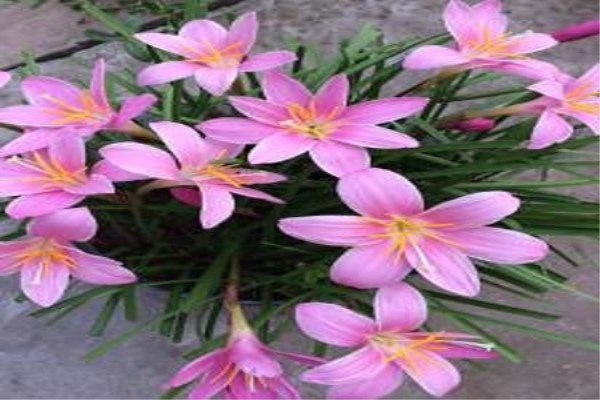
I. What kind of soil to use
It is very easy to keep alive and does not need particularly good soil to grow. It is not picky about soil; any soil will do, as long as the soil is sufficiently breathable and can retain water. You can grow it with ordinary garden soil plus rotted leaves and coal cinders, or mix and stir perlite plus vermiculite and coarse rice hulls to plant it, or grow it with peat plus perlite and rough sand and gravel, or grow it with ordinary garden soil plus some nutrient soil and crushed stones.
All of these methods work; just choose according to personal preference and how easy the materials are to obtain. It is best to use a clay pot for planting, as this gives better drainage and breathability and is better for root growth, but it does not mind plastic pots either, as long as there is no standing water in the pot. Because the soil is relatively moist after rain, it generally uses rainy days to bloom and sow seeds, and the germination rate this way is relatively high.
II. How to plant
It is relatively suitable for growing as a potted plant and does not need special care. Although its leaves look very delicate, once summer comes, its flowers will fill the whole pot, and the flowering period can last up to three months, making it very suitable for planting in the courtyard as decoration. Its planting requirements are not high either. Generally, a pot of just over 20 cm can hold 5 to 6 plants, the soil should be 2 to 3 cm thick, and a medium-sized pot is fine, neither too deep nor too shallow.
After planting, apart from normal watering and fertilizing, it hardly needs any further attention. Usually let it get more sunlight. If its branches and leaves are not very dense, you can add some compound fertilizer, and after the rain it will burst into a full pot. If growing from seeds, at temperatures below 20°C, its germination rate is almost zero, so temperature must definitely be considered when planting.