Five main fertilizing methods for growing flowers; if you don't know them, flower friends will laugh at you
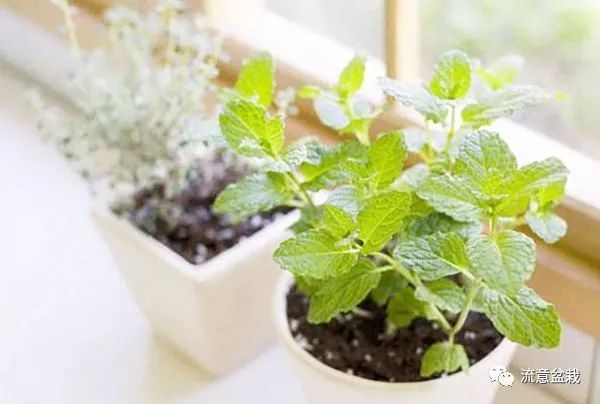
As a competent flower grower, knowing how to fertilize your beloved flowers is an indispensable skill. There are quite a few fertilizing methods commonly used for growing flowers at home, and mastering just one can make your potted flowers sturdy and healthy.
Today I'll share the 5 most commonly used fertilizing methods; learning just one will benefit you for life.
Method 1: Hole application
So-called "hole application" means digging a small hole at the edge of the flower pot close to the pot wall and burying solid waste in it. This is a relatively common method for fertilizing flowers grown at home, and it is simple to do and not troublesome.
Method 2: Broadcasting fertilizer
This method is a bit like fertilizing crops: directly scatter the fertilizer evenly over the surface of the potting soil and let the flower fertilizer slowly dissolve into the soil. Granular compound fertilizer is best suited to this fertilizing method.
Method 3: Liquid fertilizer
Liquid fertilizer refers to making a water solution of inorganic or organic fertilizer and water in a certain ratio, and using it to water the potting soil. Compared with solid fertilizer, liquid fertilizer takes effect quickly, but you should pay attention to the solution concentration to avoid burning the roots from too high a concentration.
Method 4: Foliar fertilizer
Foliar fertilizer is a method of spraying liquid fertilizer onto the plant's branches and leaves by spraying. This method is mainly used for flowers with underdeveloped root systems or epiphytic flowers, such as air plants (Tillandsia).
Method 5: Mixed application
Mixed application refers to mixing fertilizer and soil in a certain ratio and placing the mixture at the bottom of the pot or around the sides. This method is mostly used when potting up new flowers or when repotting in spring to apply basal fertilizer to the flower pot.