Stop keeping these common toxic potted plants at home; the last one is known as the most toxic potted plant
Sometimes, when we grow flowers, we only focus on their beauty and get deceived. Because of their beauty, we ignore their toxicity, which is very foolish. Haven't you heard the saying, "The more beautiful something is, the more toxic it actually is?"
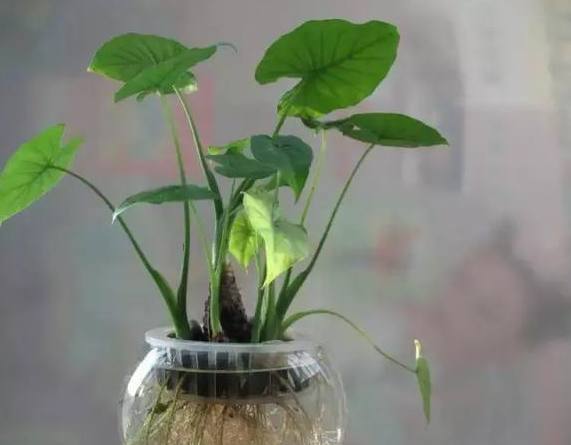
1. Alocasia amazonica (Elephant Ear)
The white sap inside the stem of Alocasia amazonica is toxic, and the water that drips from it is also toxic. If you accidentally touch or ingest its sap, it will cause discomfort in the throat and mouth, and a burning sensation in the stomach. Skin contact with its sap can also cause unbearable itching, and eye contact with the sap can cause severe conjunctivitis, or even blindness.
2. Narcissus (Daffodil)
The whole plant is toxic, and the bulb is especially toxic. Eating it can cause headaches, nausea and diarrhea. Its bulb contains lycorine, and accidental ingestion can cause vomiting and enteritis. The sap of the leaves and flowers can cause skin redness and swelling. Be especially careful not to get this sap into your eyes.
3. Hyacinth
Hyacinth is not highly dangerous, but sometimes its placement can cause problems. The fragrance of hyacinth can refresh the mind, but placing it in the bedroom can cause insomnia. Hyacinth pollen can also easily cause skin allergies, so it is best to place hyacinth in the living room or other well-ventilated areas.
4. Oleander
Oleander has very strong toxicity, so it is called the most toxic plant. This is because the plant contains cardiac glycosides, which can cause fatal harm to the body. If you accidentally come into contact with it, it can cause skin numbness. If you accidentally ingest it, it will cause nausea and vomiting, diarrhea and abdominal pain, and may even be accompanied by symptoms such as fever.
The examples given by the editor are all potted plants that are very harmful. Through breathing and touching alone, they can carry toxic substances, and eating them is even more toxic. So for plants you do not understand, first learn about them and confirm whether they are toxic or not, just in case. Look more and touch less. That is all for now. Thank you everyone for your support.