Grow a Peace Lily like this, and it will bloom year after year with glossy, deep green leaves.
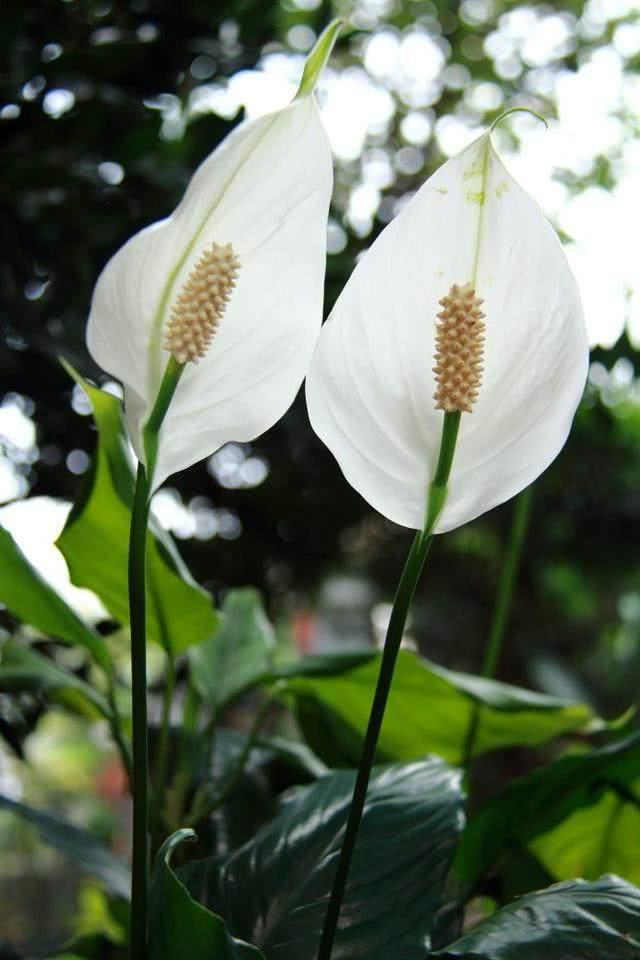
Last year, a friend gave me a pot of Peace Lily (Spathiphyllum). I liked it very much. Under my careful care, it kept blooming, its leaves were lush green, and it never had yellow leaves. Below, let's learn about the care methods for the Peace Lily (Spathiphyllum) with the editor!
Because the Peace Lily's leaves are similar to those of the arrowroot, and its flowers resemble a crane holding its head high, elegantly upright and white, it gives people a sense of "quiet elegance, peace and contentment," and is regarded as the "flower of purity." Among our people, the Peace Lily is believed to carry an auspicious meaning, and it is specially given the elegant name "Peace Lily" based on the appearance of its flowers. It symbolizes everything going smoothly and peace and safety. Haha, I especially like to call it Peace Lily.
Potted Peace Lilies require loose soil with good drainage and aeration; heavy, sticky soil must not be used. When repotting, a mix of leaf mold + peat soil + a small amount of perlite is commonly used. In addition, adding a small amount of organic fertilizer to the soil as a base fertilizer helps the Peace Lily grow better.
Humidity includes ambient humidity and soil humidity. During the Peace Lily's growth period, keep the potting soil slightly moist, but do not overwater. Keep the potting soil dry without being parched, and moist without being soggy, otherwise root rot occurs very easily.
The Peace Lily is a heat-tolerant plant and grows very well at warm temperatures. During the high-temperature period in summer, it can grow and bloom normally, with the flowering period from May to August. In summer, the maximum temperature at the leaf tips should be kept at 14-16°C, and during the day above 25°C.
Light is very important for the growth of the Peace Lily, especially in summer and early spring, when full-light care can promote its growth. But as the temperature drops and the light gradually intensifies, shade it promptly.
The Peace Lily grows vigorously and has a high fertilizer demand. Apply decomposed liquid fertilizer once a month. If using solid fertilizer, remember to water once with clear water the next day. In choosing fertilizer, concentrated fertilizer and raw fertilizer are prohibited.
During fertilization, loosen the soil for the Peace Lily to promote fertilizer uptake, which benefits its growth. Also, be careful when fertilizing not to splash fertilizer onto the leaves, to avoid burning the leaves. During high temperatures in summer and in winter, the Peace Lily grows slowly, so stop fertilizing at these times.
The best watering method: the amount of water varies slightly by season. In summer or dry seasons, frequently spray water on the leaves and the ground to increase air humidity and keep the leaves fresh and tender. In autumn and winter, appropriately reduce watering; a hot and humid environment easily causes root rot! To prevent the Peace Lily from cold damage at lower temperatures, pay attention to keeping it warm and just keep the potting soil slightly moist.
The best potting soil replacement method: every 1-2 years, the Peace Lily needs repotting once, and when repotting, prune the plant's root system. Cut off old roots and overly long roots, remove part of the old soil, and replace it with new soil, which benefits the Peace Lily's blooming. Also, when repotting, divide the plant reasonably according to the plant's size, letting one pot of Peace Lily become two pots.