Watering flowers is a science: with the right method, blooms are vivid and plants are robust
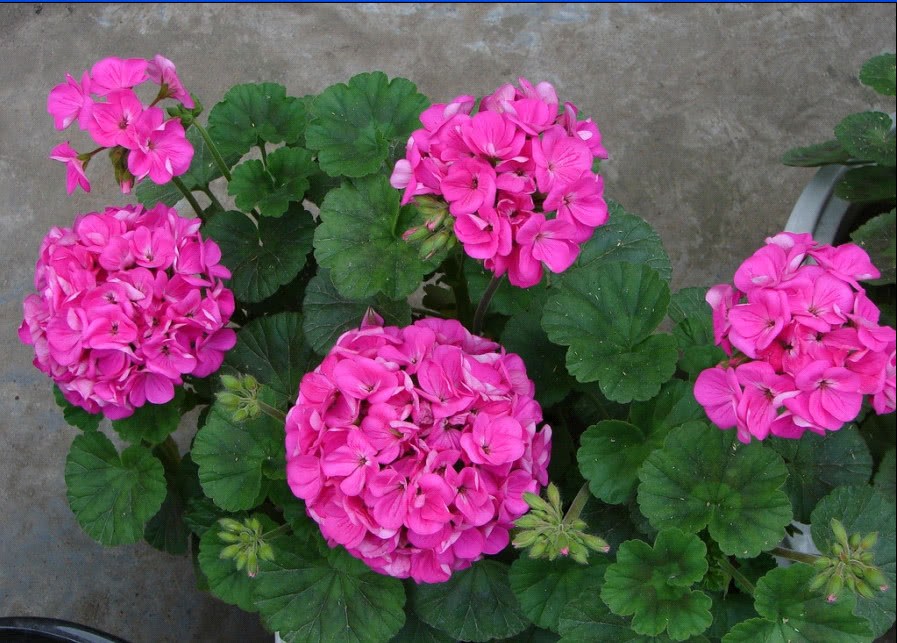
Watering flowers can be said to be the first lesson for any flower grower. It may seem simple, but there is actually a lot of knowledge behind it, and many friends' flowers have been lost at this step. Today I want to share a few watering methods.
1. Sand column method
When potting flowers, first stand a hollow tube upright in the soil - a bamboo tube, plastic pipe, or iron pipe will all do - then fill soil around it and press it firm, and pot as normal. After potting, fill the tube with coarse sand until it is level with the potting soil. From then on, when you water, just pour the water onto the sand column. The water will spread out through the sand column in all directions, which prevents the soil from compacting.
2. Circuit watering
When growing flowers, half watering is a big taboo: only the top half gets watered while the soil at the bottom stays dry, which easily damages the roots. Especially when you have a lot of flowers at home, you can water them once using the usual method without worrying about whether they are thoroughly watered, then go around and water a second time, and that is basically enough. A few large pots can simply be watered one more time.
3. Soaking method
Soaking is a way of watering flowers: place the flower pot in a container of water and let the water seep into the pot from the drainage holes, from the bottom up, until the surface of the potting soil is moist. This method easily soaks the potting soil through and also prevents the loss of potting soil caused by ordinary watering methods.
4. Noon water - makes jasmine more fragrant
An old proverb says, "To get jasmine fragrance, one ladle of water at noon." Watering jasmine at noon can make the jasmine blooms more fragrant, with a rich scent. However, watering under the strong midday sun is a taboo in flower growing, so when watering at noon you need to set the water out in the sun first to let it warm up, so that the water temperature is close to the soil temperature and watering will not cause problems. This method is generally more suitable for jasmine; other flowers are not really suited to it.
5. Watering with tap water
Tap water contains a certain amount of chlorine, so when using tap water to water flowers you need to first set the tap water out in the sun, which allows the chlorine to fully evaporate and, to a certain extent, also prevents the soil from compacting.
6. Watering is also a good time to supplement nutrients
After fermentation, rice-washing water is a very good nutrient. Watering with fully fermented rice-washing water can make flower colors more vivid and plants more lush. This watering method is simple and easy, very suitable for friends living in apartment buildings, and you no longer need to worry about fertilizing. Rice-washing water must be fermented and fully diluted before it can be used to water flowers.