What are the repair measures for damaged roots after watermelon transplanting?
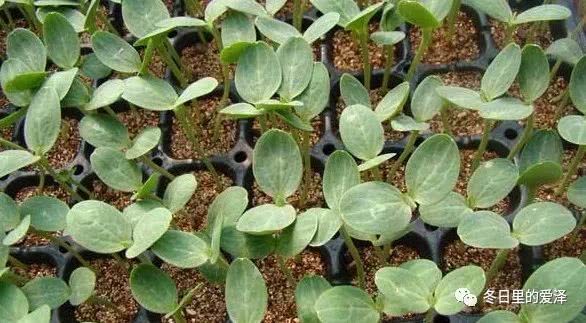
Repair measures for damaged roots after watermelon transplanting
In early spring, greenhouse watermelon transplanting generally takes place in March, when the weather is mainly cold and rainy. If management is poor after transplanting, it can lead to root damage, slow emergence, leaf yellowing, root rot, and in severe cases even seedling death.
After seedling death occurs, in order to improve greenhouse utilization, reduce the waste of land resources caused by missing seedlings, and limit the impact on income, growers can only keep replanting seedlings. Replanting leads to inconsistent growth stages of watermelon seedlings in the same plot, uneven flowering, increased management costs for growers, and reduced grower income. Therefore, repairing the damaged roots of watermelon seedlings is very important.
I. Symptoms of root damage
Aboveground symptoms: The aboveground part of watermelon seedlings with damaged roots stops growing, and no new true leaves appear for a long time. In the early stage of damage, the edges of new leaves gradually turn yellow and shrink, appearing scorched. Later, old leaves begin to turn yellow and shrink, and all aboveground leaves wilt. In severe cases, they dry up in patches, resembling a nutrient deficiency.
Underground symptoms: The root bark of watermelon seedlings with damaged roots turns yellow, and in severe cases becomes rusty-colored and rots. Mildly damaged plants grow a few thin, weak new roots, while severely damaged plants have no new roots and the seedlings can easily be pulled out of the soil. Ultimately this leads to plant death.
II. Causes
1. Climatic factors: If continuous rainy weather occurs during the transplanting period, the temperature inside the greenhouse continues to drop, the soil temperature cannot be maintained, and the soil temperature remains below 12°C. In addition, continuous rain increases humidity inside the greenhouse. In a low-temperature, high-humidity environment, root activity is greatly affected, thereby causing root damage.
2. Soil factors:
(1) Soil texture: Low-lying land, clay soil, and similar soils have poor water and air permeability, which directly affects root respiration. Respiration weakens, roots are damaged, nutrient uptake is low, and growth vigor is poor.
(2) Pests and diseases: If the soil is not disinfected before transplanting, a large number of pathogenic bacteria remain in the soil. During the transplanting and seedling recovery stage, plants are affected by environmental changes, their growth weakens, and they are susceptible to infection by pathogens, showing adverse phenomena such as root rot. At the same time, underground pests chew on watermelon roots, causing root damage and yellowing and death of the aboveground parts.
3. Human factors: During transplanting, placing seedlings into the holes too roughly, pressing the soil too hard when transplanting, large soil clods around the roots, and no fine soil adhering to the roots can cause excessive mechanical damage to the roots and obstruct root growth.
III. Solutions
1. Build the greenhouse in advance, and raise the temperature inside the greenhouse by closing it and covering it with plastic film, stabilizing soil temperature to prevent it from being too low at transplanting.
2. Avoid low-lying land, clay soil, and other poorly drained land. Choose well-drained, wind-sheltered, sunny plots for planting. At the same time, deepen the drainage ditches on both sides of the greenhouse to prevent water accumulation in the ditches during heavy rain and increase soil moisture inside the greenhouse.
3. Disinfect the soil about 30 days before transplanting. You can use 40% quintozene for soil disinfection, using 1-2 kg per mu, mix with fine sand and soil, broadcast it, and then turn the soil. Alternatively, lay drip irrigation tape in advance, dilute with water, and spray the whole field with irrigation; a seepage depth of about 30 cm is sufficient.
4. Cover with plastic film about 10 days before transplanting to ensure soil temperature. Before covering, you can spray the soil inside the greenhouse with a water-diluted solution of hymexazol + insecticide. After spraying, cover with plastic film and prepare for transplanting.
When transplanting, handle seedlings gently. After transplanting, cover with fine soil and press the soil lightly to secure the roots, avoiding external damage to the roots. After transplanting, water promptly with root-setting water. You can use water-soluble fertilizer and rooting agent diluted with water and irrigate each plant to promote seedling recovery and improve transplant survival rate.
Kairui Agrochemical Consulting friendly reminder
This article is for reference only. Farmer friends, please choose scientific planting and management methods according to the environment of your area and in combination with local soil and climate conditions. We will continue to provide more agricultural input information. Thank you for your attention!
Contact us
Phone: 18703851750
QQ:2587071907
WeChat: kairuinong
Official website: www.kairuinong.cn>
Email: [email protected]
To learn more agrochemical information and agricultural technology, please follow the official account "Kairui Agrochemical Information"