What to Do About Yellow Leaves and Root Rot in Pothos? A Few Simple Fixes
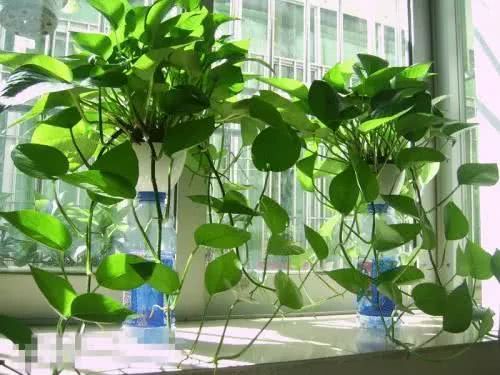
Pothos (Epipremnum aureum) should be a must-have plant in every home. It is fair to say that beginners learning to grow flowers all start by buying a pot of pothos, because it is especially easy to care for. But some friends say their pothos has yellow leaves? Root rot?
1. Proper lighting
Pothos is a shade-loving plant that prefers a hot and humid environment and dislikes direct sunlight. If it is kept for a long time on a balcony or windowsill in direct sun, the leaves easily turn scorched yellow. So pothos only needs a little bit of scattered light; normally keeping it in a shaded spot is fine too, but be careful that the growing environment is not too dark.
2. Watering
Pothos rather likes a hot and humid environment, but it should not be watered too much either, especially in autumn and winter. Too much or too little water can both cause yellowing leaves. On warm, sunny days when moisture is lost quickly, you can water once every two or three days, watering whenever the potting soil is dry.
3. Soil choice
The soil used for potting pothos must be loose, fertile and well-draining. It is best to put a layer of small pebbles at the bottom of the pot to make sure the drainage holes do not get blocked. Choose a mix of peat soil + perlite in a 1:1 ratio, and you can appropriately add some decomposed wood shavings.
4. Fertilizing
When too much fertilizer is applied, the tips of new leaves turn dry and brown, the leaf surface is thick and dull, and it is uneven and not smooth. When fertilizer is lacking, the tender leaves fade in color, turning yellow or pale green, while the older leaves remain fairly normal or gradually turn from green to yellow. So pothos should be fertilized appropriately, not excessively.
5. Clean the leaves regularly
Some friends just pour water into the potting soil when growing pothos, so water and nutrients are plentiful, but the leaves always look dull. Growing pothos requires cleaning its leaves regularly. You can spray water directly, or wipe them with a soft damp cloth, or spray with beer diluted in water, spraying once every two or three weeks.