You can't do without it when growing flowers at home; without it, they won't bloom and flying insects will swarm all over the pots
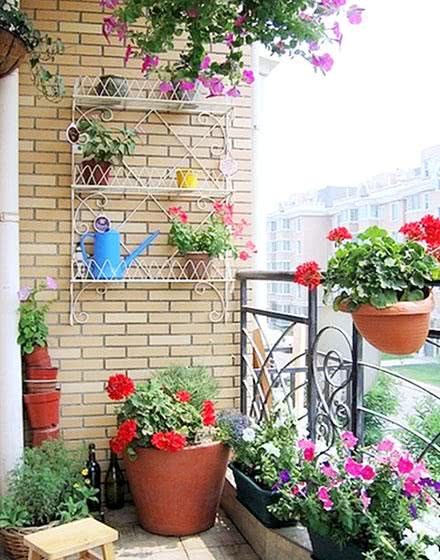
Growing flowers at home isn't just about watering. In many cases we also use things like fertilizer and fungicides. So today let's talk about what you generally need to have on hand for growing flowers at home.
1. Rooting powder. Everyone who loves growing flowers likes to propagate their own seedlings, and cuttings are indispensable. When taking cuttings or dividing roots, soak the base in a rooting powder solution at an appropriate ratio, and roots will form easily. If you don't have rooting powder, a sugar water solution or water soaked with willow branches can also work as a substitute.
2. Fungicides. When growing flowers at home, leaf spots and root rot often appear. We can keep more fungicides on hand, commonly carbendazim or potassium permanganate. If a plant develops root rot, you can cut off the rotten parts, then soak the roots in a disinfectant solution for about 20 minutes, let them dry, and also wash and disinfect the container before replanting the plant into it.
3. Flower fertilizer. Nitrogen, phosphorus and potassium are the three major nutrients plants need. You can make organic fertilizer at home by composting, such as cake fertilizer, kitchen scraps, chicken manure and other organic fertilizers. Using these organic fertilizers for growing flowers keeps the soil from compacting easily, and the fertilizer effect lasts a long time, making them very good to use, but they do have an odor. If that's inconvenient, you can use inorganic fertilizer. For inorganic fertilizer I suggest using compound fertilizer. This kind of compound fertilizer formulates nitrogen, phosphorus and potassium in a scientific ratio, can meet all the nutritional needs of plants, and lets plants grow in a balanced way, with lush branches and leaves and more flowers.
If you like growing flowers at home, basically having these ready is enough. Of course, we sometimes also need to prepare some insecticides to control small flying insects. With these things, even if your flowers and plants have some problem, there's no need to worry.