These 2 flowers cannot be given up, I really like them, everything else can go
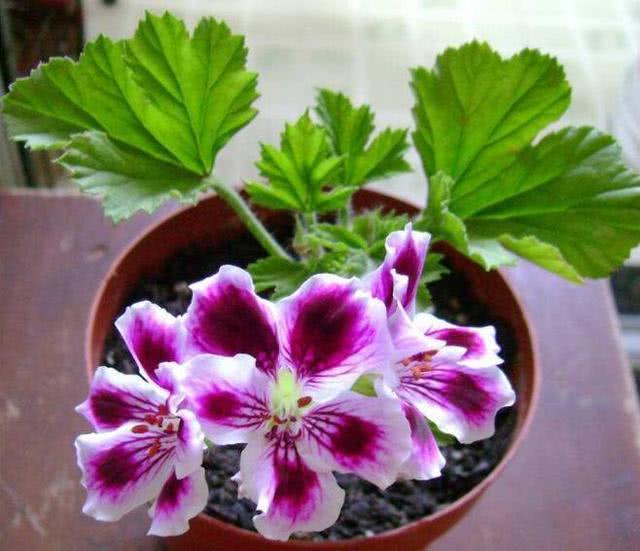
Growing flowers is all about growing what you like and what makes you happy, so today Xiaohua wants to recommend 2 kinds of flowers for everyone. To be honest, these are flowers Xiaohua especially, especially likes. For Xiaohua, everything else can go, only these 2 flowers cannot be given up, I really like them!
Geranium
Geranium can give off a rich fragrance. This scent has a calming and sleep-inducing effect, can relieve fatigue and promote sleep. The volatile oil substances in geranium leaves also have a bactericidal effect and can purify indoor air. Geranium has a long flowering period and strong adaptability to the environment. Its plant size is suitable for home pot culture, and it propagates easily. Placed indoors, it looks beautiful decorating a balcony, windowsill and study
See, doesn't it have many advantages? No matter what, you have to grow a pot
Beautiful, right? Now let's talk about how to care for it:
1. For home propagation, cuttings can be used. Geranium cuttings can be done together with spring and autumn pruning. Choose one-year-old, pest-free, healthy and robust young shoots as cuttings, about 8 cm long. At 0.2 cm below the node, cut with a knife into a horseshoe shape. Let the wound dry first before inserting, or dip the cut end in a little rooting powder, which easily promotes rooting.
The potting soil can be mixed with fine sandy soil, humus soil, perlite and organic fertilizer. It roots extremely easily
2. Geranium watering should be appropriate, better dry than wet. In the peak growing seasons of spring and autumn, it should be given sufficient water to keep the potting soil often moist, but not waterlogged; on cloudy or rainy days, generally do not water and do not fertilize. The plant can be allowed to receive some rainwater appropriately, but avoid too much rainwater irrigation. Otherwise it easily causes root rot.
3. Geranium does not like heavy fertilizer. If too much fertilizer is applied, geranium will grow too vigorously, which is not good for flowering. Generally, watering once every 7-15 days with dilute fertilizer water is enough. Before the flowering period, watering with 800 times diluted potassium dihydrogen phosphate solution can also promote flowering.
Kalanchoe
Kalanchoe is a flower that is very easy to grow and has strong propagation ability. It has a long flowering period and dazzling flower colors, and is suitable for placing on a home balcony. In the cold spring season, seeing such long-lasting flowers that do not fade makes your heart feel warm.
There are many varieties, with single or multiple layers, and many colors such as red, yellow, pink and orange
Care is as follows:
1. Kalanchoe can be propagated in all four seasons. As long as the temperature is above 15 degrees, it can be done. Between 20 and 30 degrees, the success rate of propagation is higher. The soil should be loose and breathable, avoiding waterlogging. Leaf mold soil and slightly acidic sandy loam are suitable
2. Potted kalanchoe is drought-tolerant, so it does not need a lot of watering. Usually, just water thoroughly once every 2-3 days and keep the potting soil slightly moist. One of the reasons I like this flower is that it can go a week without watering. When traveling, you do not have to worry at all about the flowers at home. With too much water, the roots will definitely rot.
3. Kalanchoe is suitable for growing in a warm environment with plenty of sunlight, and it should not be exposed to strong sun, so placing it on a balcony or corridor is most suitable. If conditions allow, in winter it is best to put it outdoors during the day to fully receive sunlight, and the flowers that bloom in spring will be more vivid in color.
4. After the flower buds form, apply 1-2 additional applications of 0.2% potassium dihydrogen phosphate or 0.5% superphosphate solution, and then there will be more flowers, brighter colors and a longer flowering period.
After the flowers fade, promptly cut off the spent flowers to avoid consuming nutrients and affecting later growth and flowering. Generally, repot once every year in spring after the flowers fade.
Do you like them?