How to care for a Cast Iron Plant (Aspidistra elatior) so it grows into a full, lush pot? Practical care methods shared
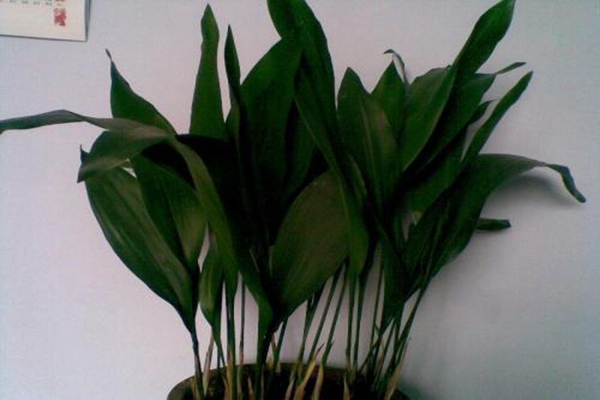
I. Temperature
It relatively prefers warm areas. The temperature suitable for its growth is 10°C-25°C, and it can survive within the range of 7°C-30°C. In harsh winter, 0°C-3°C is also acceptable. In the north, it should be placed indoors in winter.
II. Sunlight
If you want it to grow into a full, lush pot, do not let sunlight shine directly on it in summer, and also pay attention to ventilation, not keeping it too enclosed, and promptly remove its yellowed leaves. During the period from its new leaves sprouting to growing, it must not be placed in a cold, shaded area, otherwise its leaves will grow relatively thin and narrow and will not look very attractive.
III. Repotting
It grows relatively fast, so it should be repotted once every 1-2 years. Ordinary garden soil, rotted leaf mold, and relatively coarse river sand can be used as its growing medium. After repotting, water it thoroughly and place it in a shaded area.
IV. Water
During its growth stage, give it enough water, and frequently spray its leaves to keep the surrounding air humidity at a sufficiently high level.
V. Fertilizer
Each month, you can give it 1-2 applications of a relatively small dose of liquid fertilizer, which can help its newly born leaves sprout and grow more robustly.
VI. Precautions
1. If the temperature exceeds 25°C, it is very likely to lose its luster because the temperature is too high. The soil pH is best kept within the range of 4.5-5.5. It likes cool shade, so if it is a hot period, give it shade.
2. Only if the humidity is high enough can it grow emerald green leaves, but during extremely hot periods, pay attention to giving it ventilation, otherwise scale insects can easily harm it. If the humidity is not enough, its leaves will become very dull and lack vitality. If the soil is a bit dry, water it. During its vigorous growth period, you can water it more, and you can also sprinkle some water on the leaves and the ground.
3. It mainly propagates in spring. You can divide it into separate plants, and when transplanting, be sure to carry a soil ball with it. You can remove its underground stems to make it easier to pot, and 2-3 plants can be planted in each pot.