It is the fertilizer no flower grower can do without. Add a little to the water, and the leaves turn glossy green and the plant bursts into bloom.
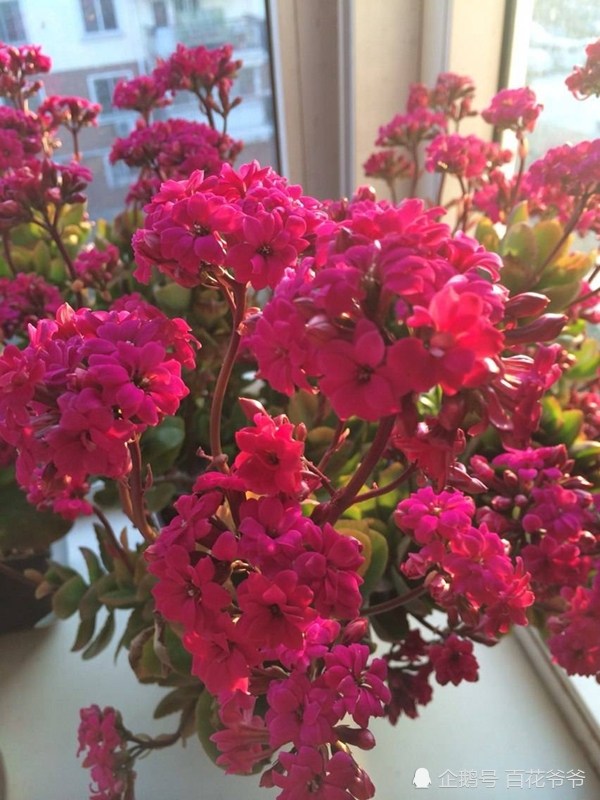
Gardeners often ask me why the flowers they just bought are covered in blooms, but when they take them home, grow them for a while, and try to get them to bloom again, they only get a few sparse flowers. When vendors sell flowers, they definitely only sell them when the plants are at their best, otherwise who would buy them? So when you take them home, how should you care for them so they still have glossy green leaves and bloom like crazy?
It is very simple: add fertilizer. To grow flowers you must have enough nutrients, and the right balance of water and fertilizer, for blooming to be vigorous. With so many fertilizers out there, such as bloom boosters, seedling boosters, root strengtheners and slow-release types, how should we choose? If fertilizer is used improperly, root burn is very likely. Without going into anything too complicated, Bai Xiaomei'er will recommend two of the most commonly used and relatively safe fertilizers for growing flowers.
To promote blooming: monopotassium phosphate
Monopotassium phosphate is suitable for all kinds of flowering plants. It is rich in phosphorus and potassium, which can make the root system strong, the stems thick, and promote flower bud differentiation, resulting in more blooms and brighter colors, such as for kalanchoe, gardenia, camellia, and so on.During the bud stage, dilute flowering plants with water once a month and spray the leaves until they bloom.This can produce more flower buds and make it easier to achieve a pot overflowing with blooms. I strongly recommend using it. Once you use it, you will never again envy other people's plants for having more flowers.
To strengthen and grow plants: slow-release compound fertilizer
When planting in ordinary pots, I personally sprinkle about 10 granules of slow-release compound fertilizer at the bottom of the pot. The fertility is mild and also nourishes the roots. After the pot is planted, each time you water, the nutrients are slowly released at the plant's roots and absorbed through the roots, making the root system stronger and the leaves glossier and greener. But when using it, do not be greedy with the amount. Compound fertilizer can be applied once every 2 months. When top-dressing, simply poke a few small holes around the edge of the flower pot and bury a few granules of compound fertilizer. It is very suitable for all kinds of foliage plants.
As I said before, if you want the plants at home to have glossy green leaves and lots of blooms, fertilizer must keep up, especially for plants with relatively long blooming periods, which have a greater and larger demand for nutrients. One reminder: when potted plants develop spent flowers, promptly prune the spent flowers and replenish nutrients, so the plants can bloom more and fuller.