How to grow spider plants so they don't easily die - read this and you'll know
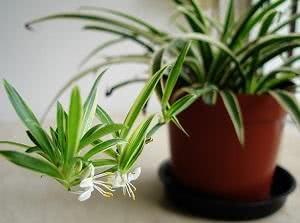
Spider plant is a very common ornamental plant, and keeping a pot of spider plant at home can also purify the air and absorb harmful gases, earning it the reputation of a "green purifier", so many people like to keep a pot at home. Spider plants like warm, humid, semi-shaded environments, and their adaptability is also super strong.
1. Put the spider plant in a cool, ventilated place
Spider plants like semi-shaded environments, so when caring for spider plants, you must not let them be directly exposed to the sun. If the sun is relatively strong, keep the spider plant away from strong light, especially in summer, when you need to be careful to avoid sunlight. If the sunlight is relatively strong and the air is also relatively dry, it is recommended to frequently spray some water on the leaves of the spider plant with a spray bottle, so as to increase the humidity available to it.
2. Water appropriately
When watering, pay attention: if you water too much and cause water to accumulate in the spider plant's pot, or if drainage is poor, it may cause the spider plant to develop root rot, so it is very important to master the key points of watering spider plants. Because spider plants like humid environments, when watering spider plants in summer you can water a bit more. If the leaves are relatively dirty, you can also spray some water appropriately. In winter, be careful to reduce the amount of watering.
3. Fertilize appropriately when growing spider plants
When caring for spider plants, you need to fertilize them appropriately, because spider plants relatively like fertilizer, so you can apply some organic fertilizer to them. If there is not enough fertilizer, it is very likely to cause the leaves to dry out and become pale.
4. Change the soil and repot once a year
When caring for spider plants, pay attention: if the pot for growing the spider plant is not particularly large, it is best to change the soil and repot once a year. This can ensure that the spider plant is provided with sufficient nutrients, allow it to grow better, and prevent situations such as yellowing leaves.
5. Pruning when repotting
When repotting a spider plant, pay attention to its root system. If there are some rotten roots or old roots on the spider plant's root system, be sure to cut them off, and if the plant has yellowed old leaves, remove them promptly as well, so that the old leaves do not affect the overall appearance of the plant.