Detailed Guide to Growing and Caring for Cineraria
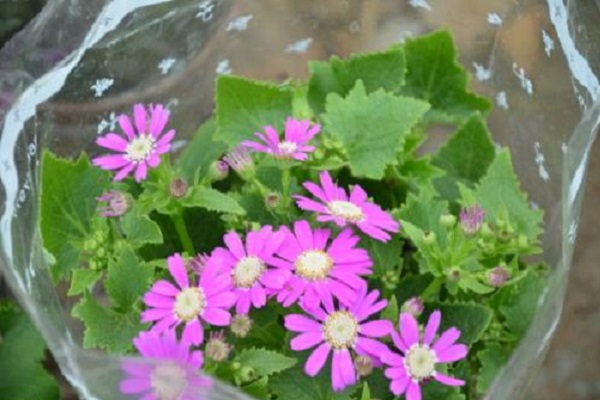
I. Growing Methods
1. Soil
It fears dryness and waterlogging, and needs neutral or slightly acidic soil. You can give it fertile, breathable, well-draining sandy soil, ideally rich in humus.
2. Watering
Its leaves are large and thin, so it needs enough water, but it must not be too wet; as long as the leaves maintain normal growth, that is enough. Normally, wait until the soil is dry before watering, about once every two to three days. You can also sprinkle water on the leaves, and during high temperatures you can increase the watering frequency.
3. Light and Temperature
It needs sunlight while growing and should not be shaded. The ideal temperature is 15 to 20°C. If it is above 20°C, it may grow leggy; if it is below 5°C, it will stop growing; below 0°C, frost damage is very likely. Although it likes warmth, it cannot tolerate high temperatures. Turn the pot from time to time to prevent uneven light exposure, so the plant shape stays upright. After the flowers fade, it still needs some light so the seeds can develop.
4. Fertilizing
You should give it cake fertilizer once every 7-10 days, in a dilute dose; chemical fertilizer can also be used. Once flower buds appear, you can add monopotassium phosphate, and continue until the flowers form, then stop.
5. Pests
Its most common pests are aphids and red spider mites. If they cause serious damage, you can spray with dimethoate solution to kill them.
II. Precautions
1. Red spider mites are usually on the back of the leaves, while aphids are usually on the tips, so when spraying pesticide, spray more on the leaf backs and flower tips, and spray a moderate amount on the leaf surfaces.
2. When adding fertilizer, do not sprinkle it directly on the leaves. If they get contaminated, wash it off. Do not fertilize during the flowering period. During the growing period, place it in an area with good light. After it blooms, it can be placed indoors for viewing, but it needs at least 4 hours of light every day for the flowers to be more vivid.