Hydrangeas toss their "embroidery balls" in March, and in April the flowers fill the whole garden
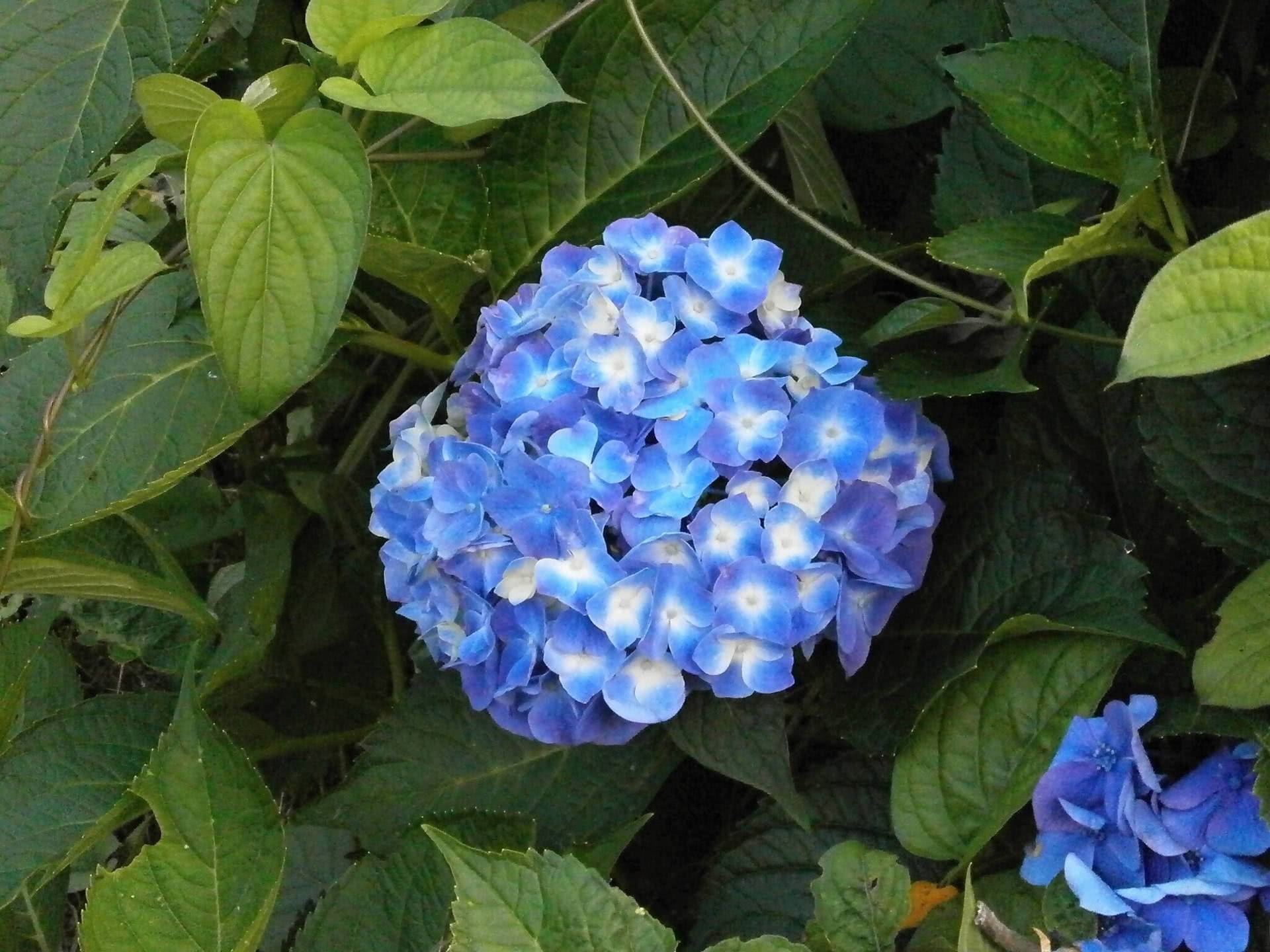
In March they toss the "embroidery ball," and in April the blooms fill the whole garden. The "embroidery ball" this little gardener means is not the one a bride tosses at an ancient wedding, but another kind of "embroidery ball" - the hydrangea. Start tending them carefully now, and by late April they can fill the garden with bloom.
Many flower lovers like ball-shaped flowers like hydrangeas; they bloom in a lively, beautiful mass. Your own pruning skills may still need work, and with other flowers you may not be able to achieve this look, but never mind - just plant a few pots of hydrangeas, and the blooms come round and plump, with rich colors too. Just thinking about it is exciting.
Exciting as it is, you still have to learn how to grow them first. The basic care can be summed up in a sentence: for soil you can use potting mix, for the pot it is best to choose one size larger, for watering stick to the principle of watering thoroughly only after the soil has dried out, for fertilizer use Huadongde organic flower nutrient solution, and usually make sure there is enough light. These are all the basics.
Next, here are a few small details that can boost flowering:
First, light. We all say that plenty of light brings good blooming, and hydrangeas are the same, but potted hydrangeas are short-day plants, so when sunning them, first, the time must not be too long - place them in the dark for more than 10 hours a day; second, avoid the strong midday sun. This is a point to watch.
Next, pruning. Timely pruning promotes branching and new shoots, and there will be more flower heads too. Pruning is mainly done before early spring and after August - one before the flowering period and one after it. What to do right now is cut off the dead branches and weak branches to reduce unnecessary consumption, so the nutrients go to the branches that need them, all in preparation for flowering.
Then there is the question of supplementary fertilizer. Hydrangeas need nutrients to bloom; everyone knows that. But if you buried plenty of base fertilizer when repotting in early spring and also water with liquid fertilizer once about every half month, the nutrients are already sufficient, and at this point there is no need to add more fertilizer. Too much fertilizer can even cause fertilizer burn!
As for color adjustment, I will not say much - just remember this sentence: "Hydrangea color changes with the soil; alkaline soil gives red flowers, acidic soil gives blue; if you want red flowers edged with blue, just apply alum fertilizer water diligently." Go get aluminum sulfate, lime and alum fertilizer water ready.
When growing kalanchoe, pay attention to the few small details mentioned above. Many flower lovers often fail to notice the details well, and that is what keeps the flowers from being as beautiful as imagined. So hurry up and learn - April's bloom depends on them.