How to Handle Peace Lilies After Blooming: A Detailed Guide to Post-Bloom Care
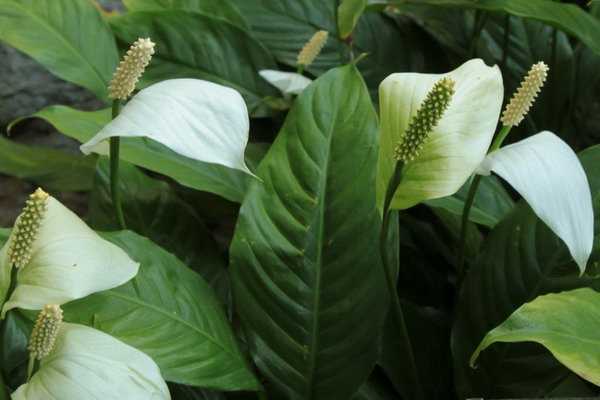
1. Handling methods:
1. Pruning:
Doing a good job of pruning right after the peace lily's blooming period is very important. Not only should all the spent flowers be cut off, but its roots should also be trimmed, because blooming consumes most of the nutrients accumulated in its body, so it is very weak just after the blooming period. Cutting off the excess parts at this time can greatly reduce the plant's nutrient consumption, which is of great benefit to its recovery and even its normal growth.
2. Fertilizing:
Besides thorough pruning, fertilizing is equally important. When fertilizing, give plenty of fertilizer, as this ensures the peace lily can replenish the nutrients consumed after the blooming period.
3. Watering:
After the blooming period, water regularly, and after watering, observe the condition of the soil in the pot. If the soil is still moist, there is no need to water again and again. If the soil has absorbed all the water, then you can water again. In short, whether to water depends on the condition of the potting soil.
4. Repotting:
After the peace lily's blooming period, you can repot it into a pot a little larger than the original one, which gives it more growing space so it will not be crowded. In addition, you can also change the soil at the same time, providing more nutrients for it to absorb.
2. Points to note:
After the blooming period, take care of the peace lily carefully and try to place it in a spot at home with relatively good air circulation. A closed-in space tends to be stuffy, which is neither suitable for its growth nor for its reproduction, so growers should pay attention to this point.