How to extend the blooming period of gardenia? Practical care methods to share
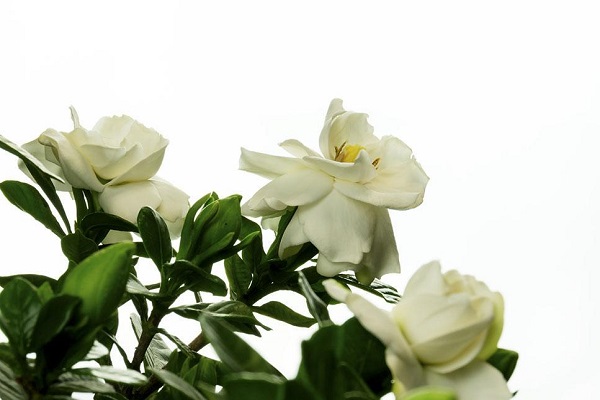
1. Sunlight
Many fellow gardening friends think gardenia likes sunlight, so once winter is over, they move it outdoors to let it fully receive sunlight. Although this practice is correct, when the temperature gradually rises and the sun becomes increasingly intense, proper shading is needed. This plant's blooming period is from May to July, which happens to coincide with summer, so at this time it is best to place it in a semi-shaded spot to block the sunlight around midday, otherwise the newly opened flowers are easily withered early by the strong summer sunlight.
2. Water
During the blooming period, do not water too much, and even more so, do not let water accumulate in the pot. Before watering, you can check the soil. If the surface layer is already somewhat dry, you can water; otherwise, do not.
3. Temperature
To extend the blooming period, temperature is also one of the factors. The most suitable temperature for it is 16°C to 18°C, so during the blooming period, choose a place with a suitable temperature to place it. If the temperature is too high, you can also cool it down artificially.
4. Humidity
During the blooming period, do not spray water on the plant. Once water droplets form in the flower center, it is very easy for it to rot and cause early withering. But at this time, you can spray more water around the plant. First, it can lower the temperature; second, it can increase the humidity of the environment, which is beneficial to the growth of the flowers and the extension of the blooming period.
5. Nutrients
Nutrients are also a fairly important point. During its growing period, fertilize once every half month, and when flower buds appear, additionally apply 1 to 2 times of phosphorus and potassium fertilizer. However, note that if too much nitrogen fertilizer is applied, it is very easy to cause bud drop.