Can Wild Rhododendron molle Be Transplanted? Transplanting Methods and Precautions
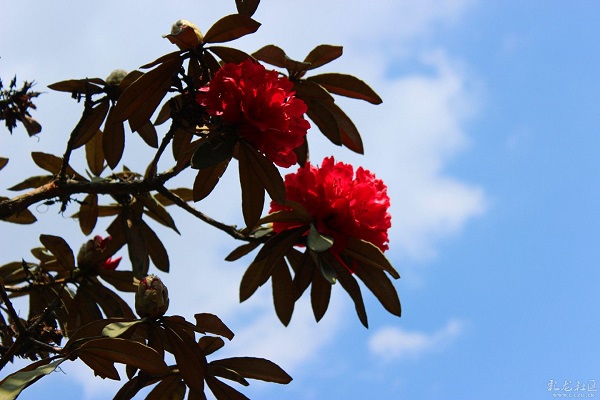
1. Whether It Can Be Transplanted
The answer is of course yes. However, we need to pay attention to the timing and method, as these are closely related to the survival rate.
2. Time Selection
To increase the success rate, we generally choose to do it from November to April of the following year.
3. Specific Methods
(1) First, we have to cut the roots and branches. Before transplanting, carry out root trimming first. That is to say, we have to cut off all the diseased roots, the rotten roots, and the aged roots. In addition, adjust the root system according to the size of the flower pot. If the pot is relatively large, then the root system can be more developed. If it is smaller, then keep fewer roots. Adjust flexibly. After trimming, treat the wounds with a repair agent. Then carry out branch pruning. According to the plant's shape, remove part of the branches and leaves, and treat the cut ends. In this way, evaporation can be effectively reduced.
(2) Then prepare the soil. You can choose to mix red soil, leaf mold, and sandy soil in a ratio of six to two to one. In addition, some farmyard manure needs to be mixed in, along with a small amount of pine needles. Before use, it is best to disinfect it.
(3) Put some farmyard manure at the bottom of the flower pot, then slowly fill in soil. After filling part of it, fix the plant in the central position. After that, continue filling. Once it is completely filled, firm it down. Next, water it thoroughly.
4. Later-Stage Management
(1) Shading: Wrap the plant up to reduce scorching. At the same time, it can also serve a shading function. Keeping the shading level at 70 to 80 percent is fine.
(2) Water: Because transplanting damages the roots quite severely, it is best not to fertilize at first and mainly focus on water. Pay attention to the moisture levels of both the potting soil and the air at the same time. Keep it appropriately moist, and at the same time do not let water accumulate.