How do you grow orchids so they bloom? Master these care essentials
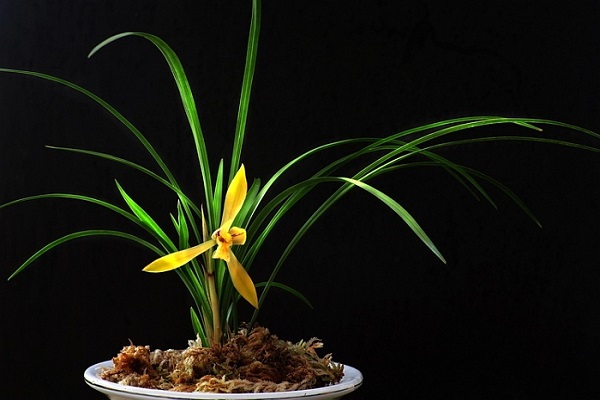
1. Location
Because orchids are not especially strict about temperature, in the milder spring, summer and autumn it is fine to place them outdoors, though note that in summer, when UV intensity is high, they should be moved to a shaded spot. In winter, it is best to keep them indoors; even outdoors, the surroundings should stay open, airy and humid. Indoors, they need ample light, ideally on the sunny side. Note that they should be placed on a flower stand or a table or stool, not on the ground.
2. Shade
Orchids like a semi-shaded environment and are afraid of direct sunlight, so they need appropriate shading when grown. In early to mid-April, light intensity is lower, so exposure time can be increased appropriately; after late April, light levels must be controlled. From June to September, once summer arrives, shading measures should be in place so they grow naturally in a semi-shaded state. In October, when the weather turns cooler and the sun's scorching heat decreases, shading time can be reduced and they can receive more sunlight.
3. Rain protection
Every plant fears waterlogging. If it is exposed to too much rain, water accumulating in the pot can easily waterlog and kill the plant. It can tolerate light rain, but should be protected from plum rain, showers and continuous rainy weather, especially in southern regions. In seasons with a lot of rain, shelter it promptly and make sure to release the hot air inside the pot, otherwise the orchid will be damaged; you can sprinkle some plant ash to regulate humidity.
4. Watering
For orchids, each watering should reach about eighty percent moisture. During the growing period, take care to replenish water promptly; during the stage when leaf buds emerge and during flowering, watering should be reduced. In winter, orchids enter dormancy, so water sparingly or not at all.