When growing flowers, poke a hole at the edge of the pot and bury a little of this in it, and the flowers will grow like crazy with glossy green leaves
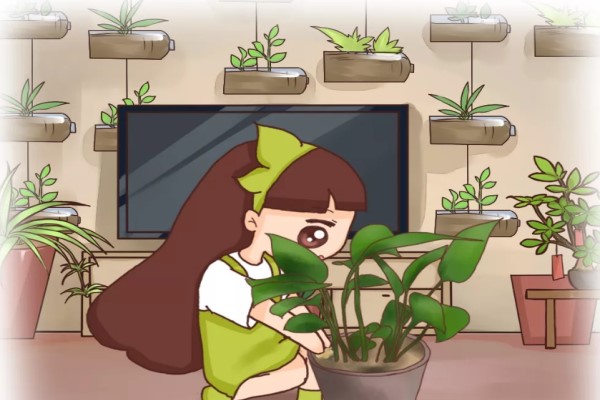
Bury a little okara in the pothos pot, and it will climb the wall 100 meters!
Huahua really loves spring, after all, the pothos at home has started growing vigorously, and at this time, whether you want to make a pothos pole or let the pothos climb the wall, it is the best time!
How to do it?
1. After drinking soy milk in the morning and evening, filter out all the remaining soy milk residue with a strainer.
2. Put the okara in a plastic box, then place it under the sun to bake. It takes only about 5-7 days for all the moisture in the okara to evaporate. At this point, grab a handful with your hand; if you find it can be squeezed into a ball, it is dried well.
3. Put the dehydrated okara in a plastic bag and seal it, then place it under the sun to ferment. At intervals of about 5-7 days, open the plastic bag and take a look; many green molds will appear on the surface of the okara. Stir the okara and continue fermenting. When it feels sticky to the touch, it is fermented well.
4. Find a small shovel or small spoon, dig 3-5 small holes around the edge of the pothos pot, stuff the fully decomposed okara into the holes, and then cover them with soil.
5. Okara contains a large amount of nitrogen fertilizer, which is just right for pothos to absorb nutrients. Once pothos absorbs enough nitrogen fertilizer, its vines will grow longer and longer, so getting it to climb the wall is a piece of cake, isn't it?
Bury a little eggshell in the gardenia pot, and the leaves will never turn yellow again!
Recently, many flower lovers have been buying gardenias, but why do the gardenias that have been grown for a while get yellow leaves? Today Huahua will teach you 1 trick: bury a little eggshell in the pot, and you can prevent gardenia leaves from turning yellow!
How to do it?
1. Collect all the leftover eggshells at home, rinse them clean with water, and place them under the sun to sterilize. Eggshells contain remaining egg white; if not washed clean, burying them in the pot will attract bugs such as fungus gnats.
2. Crush the sun-dried eggshells into powder with a small hammer or something else, then put them in a small box for later use.
3. Poke a few small holes along the edge of the gardenia pot, bury the crushed eggshells in the flower pot, and then cover them with a thin layer of soil.
4. Eggshells contain a large amount of organic phosphorus, as well as elements such as calcium, iron, zinc, and magnesium. They can slowly release nutrients in the gardenia pot soil, not only preventing yellow leaves caused by iron and magnesium deficiency in gardenias, but also supplementing calcium ions to make the plant stronger!
Bury a little compound fertilizer in the money tree pot, and the leaves will become more and more dark green!
After hibernating through a winter, the money tree begins to grow vigorously in spring. Some flower lovers have money trees at home that are especially large, making repotting especially troublesome, so they can only bury a little compound fertilizer at the edge of the pot to promote growth.
How to do it?
1. For compound fertilizer, it is best to choose solid compound fertilizer. The fertilizer contains a large amount of nitrogen, phosphorus, and potassium elements and can slowly release fertilizer in the soil without burning the roots at all. If you have agricultural urea at home, the fertilizer effect is even better!
2. At the edge of the money tree pot, use chopsticks to poke 3-4 small holes. The depth of the small holes can be about 3-5cm from the soil surface, then bury the compound fertilizer granules in them, with 5-7 granules in each small hole.
3. The compound fertilizer granules buried in the flower pot will slowly dissolve when watering, penetrate into the soil with the water, and be continuously absorbed by the money tree's root system, thus making the money tree grow faster and faster and shoot up tall!
Bury a little waste oil in the clivia pot, and the leaves will be green and the flowers bright, blooming nonstop!
Many flower lovers say, why does my clivia just not bloom? It must be a lack of nutrients! If you have waste oil at home, you can completely feed the clivia a spoonful of it, and it works even better than a flower-promoting agent!
How to do it?
1. When cleaning the range hood as usual, collect the waste oil in a small bowl for later use. The waste oil Huahua is talking about is the waste oil from the range hood, or leftover soybean oil, peanut oil, and so on from home. Those discarded diesel oil and machine oil must never be used!
2. Find a chopstick or wooden stick and poke 3- small holes along the edge of the clivia pot, being careful to stay away from the roots, then use a small spoon to pour the waste oil into the small holes, about 1/2-2/3 full is enough, and then cover the small holes with soil. If the small holes are filled with oil, then you cannot cover them with soil.
3. Waste oil takes a long time to decompose, so it is enough to use it on clivia about once every half a year; using too much will cause the soil to become compacted. Once the clivia absorbs the nutrients in the waste oil, the leaves become greener and greener, and the flowers bloom more and more brightly!
Bury a little banana peel in the kalanchoe pot, and it will bloom batch after batch nonstop!
Many flower lovers' kalanchoe has already bloomed one round. At this time, if enough phosphorus and potassium fertilizer can be supplemented, it can continuously produce a second round of flowers, a third round of flowers... How exactly to do it? Come take a look with Huahua!
How to do it?
1. Collect the banana peels left over from usual eating, put them on a ceramic plate, and then place them in the microwave to heat.
2. When heating in the microwave, you can heat them in multiple short bursts. If heated for a long time, the temperature rises, which can easily cause the banana peels to burn. After heating, all the moisture is lost, but the phosphorus and potassium elements in them remain.
3. Put the dried banana peels in a container and crush them with a small hammer or other hard object until they are crushed into powder, then put them in a small box for later use.
4. Dig 3-5 small holes along the edge of the kalanchoe pot away from the roots, use a small spoon to scoop the banana peel powder and bury it in the small holes, then cover the banana peel powder with soil.
5. The banana peel powder buried in the pot soil will slowly release phosphorus and potassium elements, penetrate deep into the soil with watering, and be absorbed by the roots, so that there are enough nutrients to store energy for the next blooming!
Bury a little cooked soybean in the snake plant pot, and in 1 month it will poke the roof!
Snake plant counts as a very easy flower to grow, but if you want to grow it to the point of poking the roof, you still have to put in some effort! Huahua's experience is to directly bury cooked soybeans in the pot; the fertilizer effect is outstanding!
How to do it?
1. Soak moldy soybeans in warm water for about 24 hours. Once the soybean skins feel soft to the touch, put them in a pot and cook them until done, then let them cool for later use.
2. At the edge of the snake plant pot, away from the roots, use a small wooden stick to poke 2-4 small holes, then bury the cooked soybeans in them. Just 5-7 beans each time is enough. The snake plant root system is relatively shallow, so do not bury too many.
3. Cooked soybeans are very rich in nitrogen elements and will slowly release nitrogen elements in the soil, which is then absorbed by the snake plant. Once the snake plant absorbs enough nutrients, it can grow taller and taller, and poking the roof is no problem at all!
That is all Huahua is introducing today.
If any flower lovers still have questions they do not understand,
you are welcome to leave a message for Huahua!