When does Agave americana 'Marginata' usually bloom?
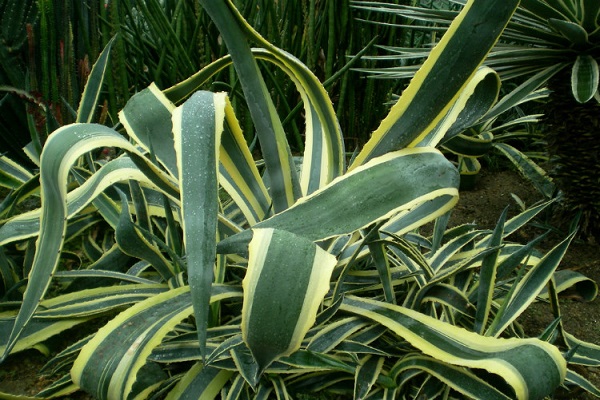
I. The flowering season is summer
Its flowering season is summer, but it is not common. Because to make it bloom, the plant generally needs to be over 10 years old. In other words, only old plants that have grown for more than 10 years will have a flowering season. So during daily cultivation, gardening friends can hardly ever see it bloom.
II. Care during the flowering season
1. Watering:
Because it blooms in summer, and summer temperatures are inherently high, water loss is relatively serious, so the frequency of watering needs to be increased, but there must be no water accumulation in the pot, and when watering, water must not splash onto the flowers or leaves; the best time to water is in the early morning or in the evening.
2. Temperature:
The temperature should be controlled below 30 degrees, and in daily cultivation, the temperature must also not exceed 30 degrees.
3. Light:
The sunlight around noon should be appropriately shaded; although it is a plant that likes sunlight, during the flowering season it still needs to avoid excessively strong sunlight.
Many gardening friends have heard that once this plant blooms, its life enters a countdown. That's right, it really uses its life to bloom its last flower. So no matter how good the care is, it cannot be saved. Unless, when it is about to bloom, the flower buds are cut off to preserve the plant. When cutting them off, be sure to use sterilized and relatively sharp scissors, and also avoid its sap coming into contact with the skin.