How to care for a ginseng ficus in winter: do these things well and it will make it through the cold season safely
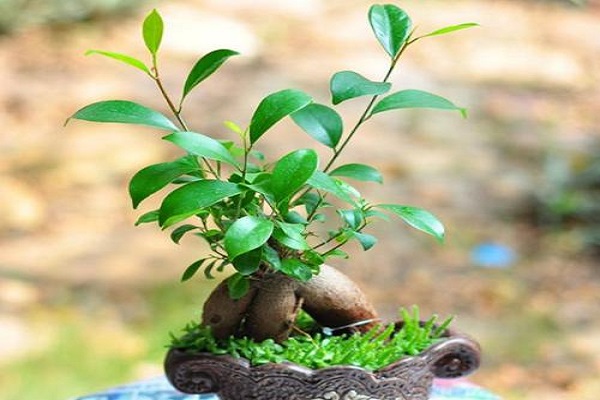
1. Soil
It has very strong vitality; no matter where it is or what the soil is like, it can grow very vigorously, and it can even cling to rocks. If it is kept indoors, it is best to use sandy soil from a river to grow it. If you want its roots to grow strong and sturdy, you can add fertilizer, preferably one with relatively high phosphorus and potassium content.
2. Temperature
It favors a bright, warm atmosphere with water; the best temperature is 18-33°C. In harsh winter, it must not go below 10°C. If it goes below 6°C, in mild cases it will only drop its leaves, but in severe cases it is very likely to suffer cold damage.
3. Watering
The soil in the pot can be slightly moist, but there must be no standing water. Control the frequency of watering and water again only after the soil has dried. In winter you can reduce the frequency, but you must not wait until it is extremely dry before watering, otherwise it will dry out and die.
4. Fertilizing
It does not like fertilizer. In harsh winter you can give it one application of a very small dose of compound fertilizer, preferably one containing nitrogen, phosphorus and potassium. It only needs 3 or 4 applications of fertilizer in total per year; otherwise its leaves will grow wildly.
5. Pruning
Before winter arrives, you can also prune its branches and leaves appropriately so it can grow fuller. If you repot it in winter, do not water too much, and wait until the temperature is above 20°C before doing it. Its ability to withstand severe cold is not very strong, so in winter it is best to keep it in a room with heating. If your home is relatively dry, you can also water a little more, and you can also mist the leaves.