How do you make succulents plump? Starve them a few meals first and they'll obediently put on weight
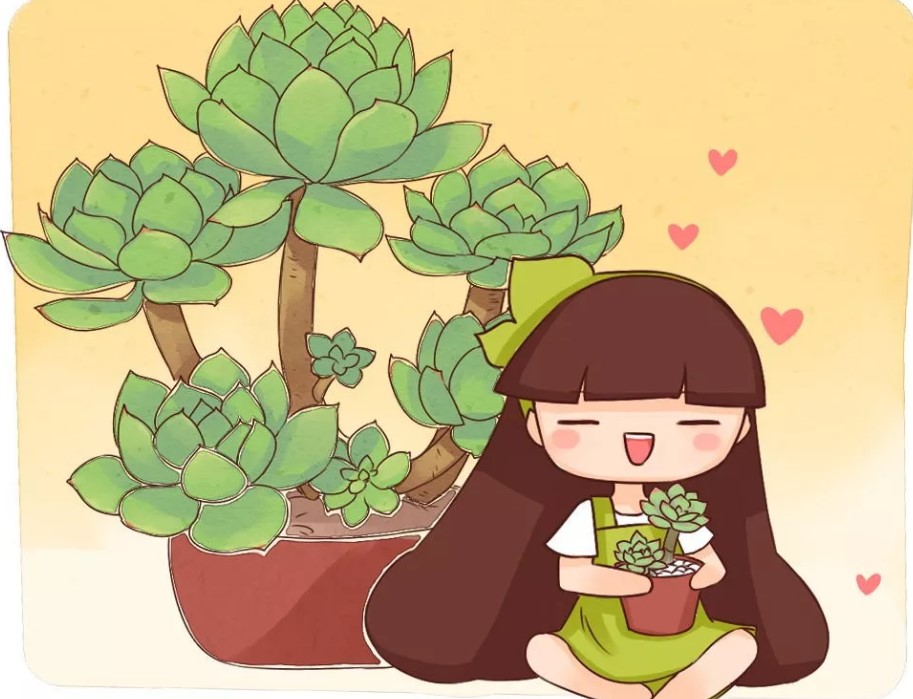
Why can a few skipped meals turn a succulent into a round little fatty?
Under suitable growing conditions, a succulent will definitely grow as tall as it pleases, it's just too willful! But if you starve it for a few meals, it will develop a sense of crisis from lacking food and water, and when you feed it again, it will hurry to store up energy and won't dare to rush into growing tall.
Before starving your succulents, you must first grow strong, sturdy roots
Some flower lovers will surely say, my succulents are already growing all shriveled, and if I starve them for a few meals and they die of hunger, who's responsible? Before starving your succulents, as long as you've grown the roots strong and sturdy, you don't need to fear your plants starving to "depart to the heavens"! Root growing has 2 steps, come and learn them!
1. First place them in coconut coir to sprout new roots
Some succulents have very few roots or no roots at all when you first start growing them. Huahua suggests first placing the plants in coconut coir, which is most suitable for succulents to sprout new roots in the early stage of care. Just keep the coconut coir moist.
Why choose coconut coir for sprouting new roots?
Because coconut coir has relatively small pores, it can hold the moisture needed for new root growth for a longer time, allowing the succulent's roots to branch out earlier, and the new root system grows dense and abundant with a larger surface area.
2. Then place them in river sand to grow the roots
After the succulent has grown in coconut coir for a period of time, once the roots have become abundant and thick, it's time to move it into river sand to grow the roots. If you don't have river sand, vermiculite works too. While growing the roots, give the succulent water and nutrients according to normal care.
Why choose river sand for growing roots?
River sand has relatively large particles and good air permeability, making it more suitable for roots that have already grown sturdy enough, letting the root system grow fast and well. When a succulent is grown in river sand, even if you starve it for a few days, there's no worry about starving it badly.
Starve your succulents like this, and they'll obediently grow into round little fatties
After the roots have grown in river sand for about 1-2 months, they'll be sturdy, and then you can starve the succulent for a few meals. What Huahua means by starving it a few meals is water control. How exactly do you control water?
1. Don't water thoroughly, water little but often
When reducing watering, never just stop all at once. It's best to water little but often, and don't water thoroughly when you do. Just let the river sand become slightly moist. After the river sand absorbs water, the moisture spreads quickly and evenly, so there's no need for uneven wet and dry patches.
2. Water in the evening or at night
This is determined by the succulent's metabolism. During the growing season, the succulent's stomata close during the day and it only begins absorbing water in the evening. If you water during the day, by the time evening comes the river sand is dry, the succulent lacks water, and it gets starved badly.
3. It's best to use a relatively deep pot
A relatively deep pot helps retain the water vapor in the middle and lower layers of the river sand, making it very suitable for growing succulents during water control. Even if the river sand at the roots is dry, the lower layer has a little water vapor to buffer the drought, protecting the roots. A small, shallow pot, on the other hand, can't provide any moisture buffer for the roots.
4. After water control, the succulent quickly grows into a big fatty
Follow Huahua's steps to starve your succulent a bit, and it will surely grow plump and juicy, not the least bit inferior to the legendary succulents grown by the pros!
This method of letting your succulents go hungry for a few meals,
what do you think of it!
If you find it useful,
share it with others to read,
good methods are meant to be shared!