How to Care for Camellias During the Flowering Period? A Full Breakdown of Methods and Precautions
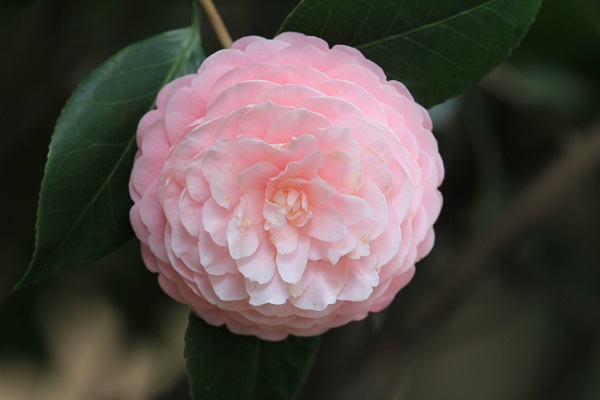
1. Flowering Period
This flower blooms rather late, but its flowering time is long. It generally only begins to open around October and basically finishes by May of the following year, with the most abundant blooming period from January to March. However, different camellia varieties have different characteristics, and their flowering times are not exact either; some bloom earlier, while others bloom much later. Overall, the flowering period can basically last as long as seven or eight months. With such a long flowering period, careful cultivation is naturally required.
2. Care Tips
Camellias like semi-shaded spots and cannot be exposed to direct sunlight. Pay special attention to careful cultivation in summer, and it is best to keep the temperature at around 20°C. Their root system depends relatively heavily on slightly acidic soil, so choose mountain loam rich in organic matter, soft in texture and with good air permeability for cultivation.
When camellias produce flower buds, to ensure they can bloom normally, the light intensity needs to be appropriately increased. Appropriately applying fertilizer containing phosphorus helps the flower buds swell, and it is best to apply it once every seven days, but nitrogen fertilizer absolutely must not be applied, otherwise it will cause a large number of buds to drop. During this process, water needs to be sprayed on the leaves regularly, which not only removes dust but also increases humidity. In addition, newly emerged flower buds are very delicate, so the position of the flower pot should not be moved frequently.
After it blooms, flower fertilizer can no longer be applied. Since nutrients cannot be supplied from outside, the leaves must carry out more photosynthesis to meet the needs of blooming. It is best to place it on a balcony or by a window with good ventilation, which can extend the light duration. At the same time, promptly prune diseased and weak dead branches and lower branches to prevent unnecessary consumption of nutrients and the spread of pathogens. During the flowering period, special attention must also be paid to disease prevention and control, especially anthracnose. If yellow spots appear on the leaf surface, medicine should be purchased and sprayed promptly.