Is goosefoot poisonous? Pay attention to these things before eating it
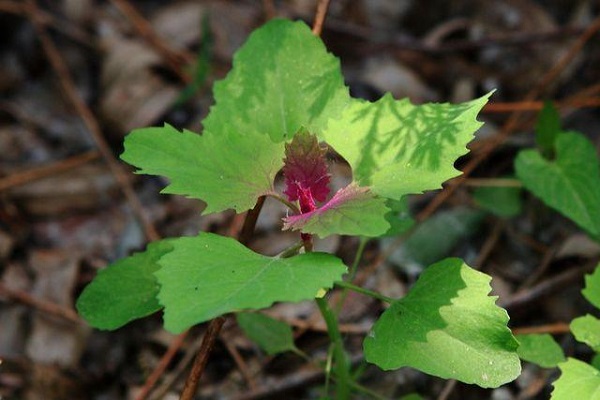
1. Whether it is poisonous
There was once a folk legend that this plant is poisonous. In fact, this is a misunderstanding. Because some people mistook the seedlings of "datura" for this plant, they believed it was poisonous. There is also another situation: eating too much of it caused certain symptoms, which made them think the plant itself is poisonous. We need to understand that it is not poisonous. However, one point to note is that it looks very similar to "datura" seedlings. Therefore, they must never be confused, because true "datura" is indeed toxic. Still, they cannot say that goosefoot is also poisonous just because they look alike.
2. Points to note
(1) Although this plant itself is not poisonous, it does contain many photosensitive substances. Therefore, in some cases, if people eat it or their skin comes into contact with its juice, and then they are exposed to sunlight, "photodermatitis" may occur. In addition, eating too much is also not okay. If you eat too much at one time, or keep eating it continuously for a period of time, it may very likely lead to "edema".
(2) Also, if you observe a type of goosefoot with purple on the underside, then you need to be careful. It must never be eaten, because this type is poisonous.
3. Expert advice
(1) Never eat the type with purple on the underside. In addition, before eating it, you need to blanch it in water first; doing so is safer.
(2) After eating it, it is best, best not to be exposed to the sun. Also, check whether its juice has gotten onto your hands; if it has, be sure to wash it off promptly and thoroughly.
(3) Even if you eat it, you must never eat it in excess, and do not eat it continuously for a very long time.