How to grow orchids so they sprout quickly? Master these care tips
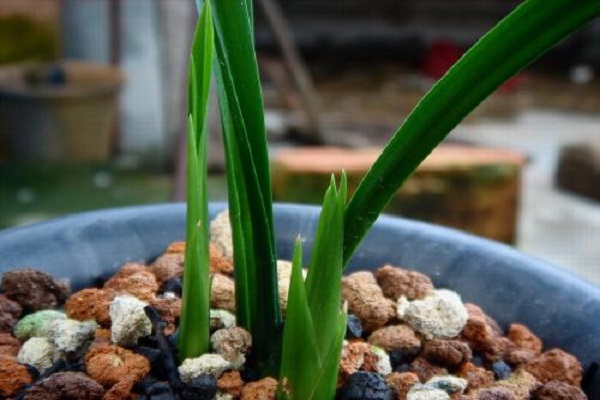
1. Temperature and humidity
Both temperature and humidity need to be precisely controlled. Sprinkle water on the leaves regularly, and do not let the orchid become dehydrated. If you grow it indoors, it is best to keep it at 20 degrees; if the temperature varies a lot between morning and evening, that is even better. If the indoor temperature is constant, it will have no dormancy period and will sprout relatively few new shoots. During the dormancy period, it should not be too warm either, otherwise it will be affected; keeping it below 15 degrees is best.
2. Fertilizer control
This flower absorbs nutrients first through its roots, and then through its leaves. Because it can grow fairly tall, when planting it you can plant it somewhat deep so that it can be held firmly in place. In everyday care, do not apply large amounts of fertilizer, so as to avoid causing it unnecessary harm.
You can use a salicylic acid solution, dilute it, and spray it on the plant, or use aspirin with alcohol and water: the alcohol dissolves it, and the water dilutes it, then water the plant with it. This is very effective for its sprouting.
3. Sunlight
After it enters the dormancy period, it needs to be exposed to plenty of diffused light. Only with sufficient light can its nutrient consumption be guaranteed, allowing its new sprouts to grow faster.
4. Soil
If the soil is often in a moist state, and the atmosphere is windy with diffused light, it can still grow, but it will produce relatively few sprouts and grow slowly. If you want it to sprout abundantly and grow quickly, you can control water during the dormancy period and let the roots dry out a little; it will feel "threatened" and want to reproduce, and will naturally grow more new sprouts. In addition, using a specialized soil for its care can further promote the appearance and growth of its sprouts.