How to grow Cymbidium sinense so it thrives? Cultivation methods and precautions
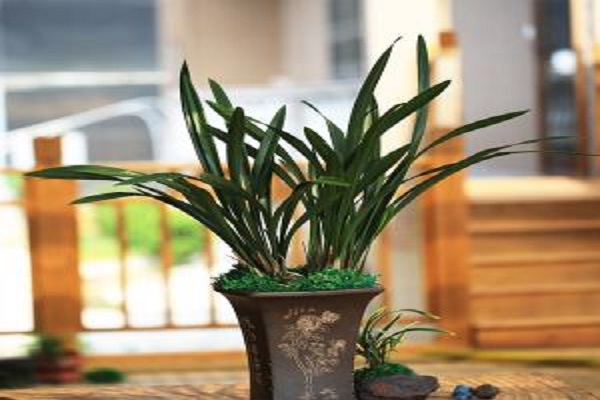
1. Shading
Many varieties of this flower are afraid of direct sunlight, so appropriate shading is needed. In early to mid-April, it can be exposed to more light, and shading should begin in late April. After October, when the weather becomes cooler, it can be shaded only around midday.
2. Environment
A suitable location can also help it grow more robustly. In seasons other than deep winter, it can be placed outdoors; in deep winter, it should be placed indoors. If outdoors, it should be placed in an open, moist area. If indoors, it is best to place it facing south, with enough light, as this is beneficial to its growth; it is best to put it on a table, not directly on the ground.
3. Watering
If there is too much water, it easily causes root rot. During the growth period, add a little more water; during the stage of new shoots and the flowering stage, it should be watered less; during the period when growth pauses, it needs even less water or no water at all. If the pot it is planted in is relatively large but the plant is relatively small, you can water less; during the plum rain season, you should also not water or add little water. In hot periods there are often showers, and you need to help it drain water, otherwise it will be damaged. If the sun comes out immediately after rain, provide shade, otherwise the rising heat will also affect it.
4. Fertilizing
Whether it needs fertilizer should be decided according to its growth condition. If your Cymbidium sinense is growing very healthily and vigorously, you can fertilize with confidence; if it is growing relatively thin and weak or poor, add little or no fertilizer. In June and July, you can add liquid fertilizer once or twice; it is best not to use chemical fertilizer. If it is a hot period, wait until August or September to fertilize. You can judge whether fertilizer is needed by the color of the leaves: if the leaves are somewhat yellow and relatively thin and weak, then fertilizer is needed; if the leaf tips are scorched and withered, then too much fertilizer has been added, and fertilizing must be stopped immediately.
5. Pruning
During the growing process, it needs to be pruned from time to time to grow better. When leaves become withered, they can be removed to help with ventilation, and the withered tip portions of leaves also need to be removed. If there are leaves with pests or diseases, they especially need to be cut off to prevent infecting other leaves; then disinfect the scissors before pruning other leaves. If growth is poor, or for branches with relatively few leaves, or for Cymbidium sinense with poor roots, all need pinching.