What to Do When Cymbidium sinense Leaves Curl? Causes and Solutions Explained
I. Causes
1. Disease
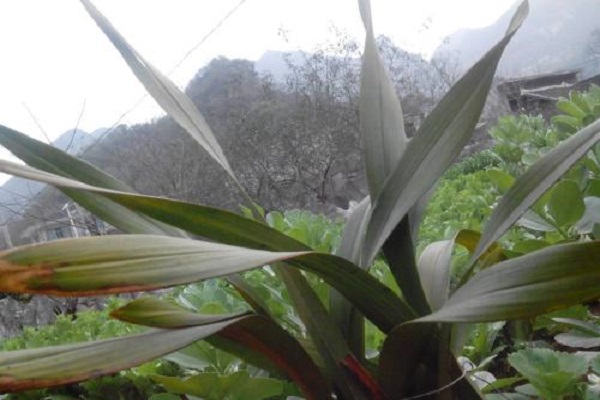
If its leaves become curled, it may have contracted a viral disease. The symptoms are stunted growth and curled leaves; in severe cases, it cannot grow leaf tissue. It is generally spread by aphids and other pests, and this disease occurs especially during hot weather. If it is hormone-type phytotoxicity, its leaves will grow bent, new leaves cannot unfurl, the edges will be deformed, and the color will become paler.
2. Improper Temperature
If it is too hot and there is relatively little water, its stomata will close, and the leaves will become tubular and very brittle. If the area where it is placed has strong, gusty wind, with the exchange of cold and warm air changing very intensely, it will also become curled.
3. Lack of Fertilizer
If it lacks P (phosphorus), the undersides of its leaves will turn purplish-red, small brown spots will appear on the upper surface, the lower leaves will curl, the old leaves will turn yellow, and the tips will wither. Generally, relatively low temperatures or soil that is too acidic will affect its uptake of phosphorus. If it lacks magnesium, the old leaves will fade in color, yellow spots will appear on the leaves, and in severe cases the leaf edges will curl upward and necrotic spots will appear on the leaves.
II. Solutions
1. If it is a disease, you can dilute potassium permanganate and spray it, which can also supplement elements such as Mn and K. If it is hormone-type phytotoxicity, you can use some Opal (Aopuer); note that when using hormones, the dosage should be smaller in hot weather, and do not get it on the new leaves.
2. If it is too hot, you can help it build drought resistance during its care; after it sets fruit, you can add water and fertilizer at the appropriate time and help shade it. If it is caused by too much wind, you can gradually introduce ventilation to harden it.
3. If it lacks phosphorus, you can add phosphorus to the soil or leaves; for example, monopotassium phosphate needs a dosage of only 0.3 percent. If it lacks magnesium, you can use magnesium sulfate to help it.