How to water Oriental lilies? A detailed guide to the correct watering method
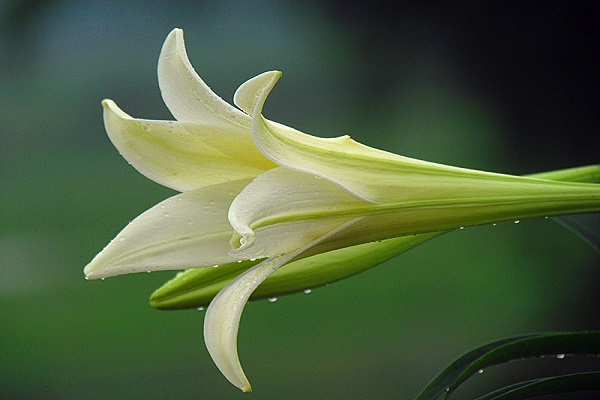
1. Habit and characteristics
It likes a relatively dry environment, which means we usually do not need to water it too much. One thing to note is that it is especially afraid of waterlogging. If the potting soil is too wet, it may cause its bulbs to rot, and may even lead to the death of the whole plant. However, it cannot always be dry either. It still has a need for water during specific periods, so it cannot be treated all the same.
2. Principles to follow
In a word, it is "better dry than wet." That is, it is better to keep it slightly dry than too wet. Being slightly dry will not cause much harm to the plant, but being too wet is very likely to cause harm. Usually, we can judge whether to water by observing the condition of the soil. If you see that the potting soil has become dry, water it a little; if it is still not dry, you can hold off watering for now.
3. Specific methods
(1) During its vigorous growth stage and when it is blooming, its water demand is greater. So at these times, you should adjust the water flexibly and water a little more frequently in appropriate amounts.
(2) In addition, when the weather is relatively dry, just as with the treatment above, you should also water a little more in appropriate amounts. Besides watering, you can also sprinkle a little water around the plant to adjust the humidity of the air.
(3) By late autumn and even winter, the temperature is relatively low. At this time, its growth rate is also slow, so it does not need much water.
4. Precautions
(1) After watering, it is best to maintain ventilation. Doing so can effectively avoid the occurrence of "gray mold."
(2) The timing of watering also matters. It is best to water in the early morning, that is, around when the sun has just come out. Especially when it is cold, you must never water at night, otherwise it is very easy to make it suffer from cold damage.