A Detailed Guide to the Correct Pruning Methods for Oriental Lilies
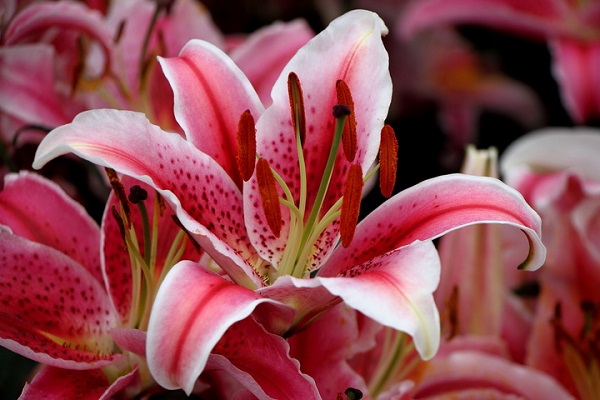
1. Purpose of Pruning
First, you must be clear about why you are pruning. If it is for appearance, you only need to decide on the shape and then prune according to plan. If it is to extend the plant's lifespan, then you need to cut off the withered, thin branches and unhealthy leaves. If it is to ensure the quality of blooming, that is yet another pruning method, so how to prune has a very important relationship with its purpose.
2. Pruning Techniques
You can cut the flower stem according to the length you need. The cut on the flower stem should not be too far from the next stem node; to help it absorb water better, keeping it at around 1 cm is enough. If the cut splits, do not worry, as a larger wound area is actually beneficial for absorbing water.
Generally, cutting at a certain angle is better than cutting flat. Leave three or four small buds at the base of the cut flower stem, otherwise it will be difficult for it to grow. The frequency of pruning can be determined by your purpose. Note that you should not cut flower stems on cloudy and rainy days; it is best to choose morning or evening, avoiding the midday sun.
To ensure the bulb is plump, lilies should be cut off right at the base after flowering, because blooming has already consumed too many nutrients. If you want to continue growing them next year, you must cut them off and then supplement with fertilizer.
3. Care After Pruning
After pruning, place it in clean, unpolluted water. The water in the vase should not be too much; reaching half or 1/3 of the container's volume is enough. Before use, leave tap water in the sun for two days, and use it only after the chlorine in the water has evaporated, otherwise it will harm the plant. After pruning, place it in a spot with good light and air humidity of around 70 percent, and keep the ambient temperature at 15 to 25 degrees Celsius, giving it the most suitable conditions for growth.