Is the golden-edged snake plant (Sansevieria trifasciata 'Laurentii') toxic? Is it suitable to keep at home?
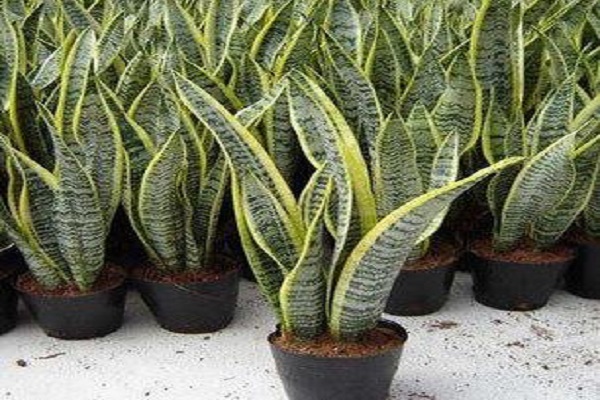
I. Is it toxic?
The answer is no. It can be placed in many places, and it is also good for the air. Researchers in the United States found that it can both absorb CO2 and release O2. It is a natural good helper for cleaning the air, and can even help remove more than 80 percent of the harmful gases in the home.
II. Effects and value
1. Health care value
When the appliances in your home are turned on, it can effectively reduce radiation and give you a healthier home environment. If it is a 15 sq m room, placing two or three pots of it can absorb at least 80 percent of harmful substances.
2. Medicinal value
It belongs to the Liliaceae family, is cool in nature, and can help you clear toxins and dissipate heat. It can reduce swelling and activate blood circulation. If someone in your home has a cold, or a cough, accidentally falls and gets injured, is bitten by a venomous snake, or gets scalded, it can be applied to relieve the symptoms.
III. How to grow it
1. Choose soil with good drainage and aeration, and it is best to add a few rotten leaves as a base layer. Do not use water-impermeable soil, such as sandy soil, otherwise its roots will easily rot.
2. It should be placed where the sun can shine directly, but when the summer sun is too strong, it should also be shaded with something. In winter it can be placed in a sunny area, and do not water it too much; keep it dry. In hot weather, sprinkle water more often to keep it moist. If it is grown in porcelain, it is better to keep it dry than wet, otherwise the water cannot drain out and it may die. During its growth period, keep the leaves clean, and you can wash them often.
3. Usually, it should be repotted every 2 years, removing the old roots and leaves, and replacing the soil with new soil to add nutrients, which can make it more beautiful and fresh. In summer it sprouts relatively quickly, and new leaves can also grow out faster. If the pot can no longer hold the leaves, you can use scissors to remove the old leaves to help the new leaves get sunlight.