Reasons for Yellow Spots on Golden Pothos Leaves and How to Fix Them
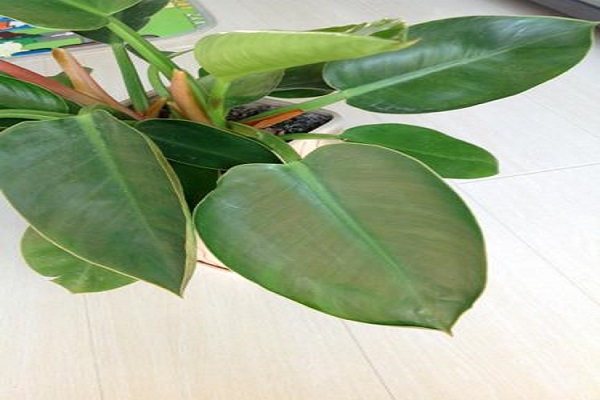
I. Causes
1. Improper watering
If the newly grown leaves are dull yellow and look listless, and the stems are thin and shrunken, then it has been watered too much. If the leaf edges turn yellow, the old leaves turn yellow and fall off, and the new leaves are relatively normal, then it has been watered too little.
2. Improper lighting
If the leaf edges are scorched and broken, and small yellow spots appear on the sun-facing part of the leaves, then it is caused by too strong sunlight. If it is placed in a dark area for a long time, it cannot get enough sunlight, has difficulty producing chlorophyll, and its leaves will also turn yellow and fall off.
3. Insufficient nutrients
If the proportion of fertilizer is much greater than that of water, the plant will turn yellow, the newly grown leaves will become yellow-brown, the leaves will be very thick but not smooth, and the old leaves will scorch yellow and fall off. If you often forget to add fertilizer, the young leaves will be yellow-green, and the old leaves will also turn from green to yellow. If it lacks nitrogen, the leaves will grow smaller, the lower part will turn yellow, and the whole plant will lose its green color. If it lacks phosphorus, the veins of the lower leaves will turn yellow. If it lacks potassium, the leaf edges will be brown and the plant will easily topple. If it lacks iron, the leaves will develop yellow spots and dry up. In addition, it likes acidic soil. If your home is in the north, where both the water and soil tend to be alkaline, the leaves will also turn yellow and even fall off.
4. Anthracnose
If the leaves are invaded by bacteria, small yellow spots will appear, usually along the leaf edges.
II. Preventive measures
1. Frequently spray water on the leaves and the surrounding area to help increase the surrounding humidity. It is best to keep the temperature at around 20°C. In winter, wait until the soil is dry before watering. In hot summer weather, you can help keep it moist.
2. Do not place it under an air conditioner, do not let harsh sunlight scorch it, and do not leave it in a dark area for a long time.
3. If there is too much fertilizer, stop fertilizing immediately and use water to wash away most of the fertilizer. If there is too little fertilizer, the soil will dry and harden into clumps, so add some alum water. Usually, fertilize frequently with a diluted fertilizer, mainly nitrogen fertilizer. If the soil is alkaline, you can ferment rice-washing water and pour it into the soil.
4. If it is a pest or disease problem, promptly remove the diseased leaves and branches from the plant, and buy specialized agents, such as Bordeaux mixture, and spray once every 7 to 10 days. Spray 2 to 3 times in a row to prevent it. If the condition is more serious, use JunDuQing spray. Frequently spraying water to wash the leaves can help prevent pests.