Proper Post-Blooming Care and Maintenance Tips for Anthurium
I. How Long Is the Blooming Period
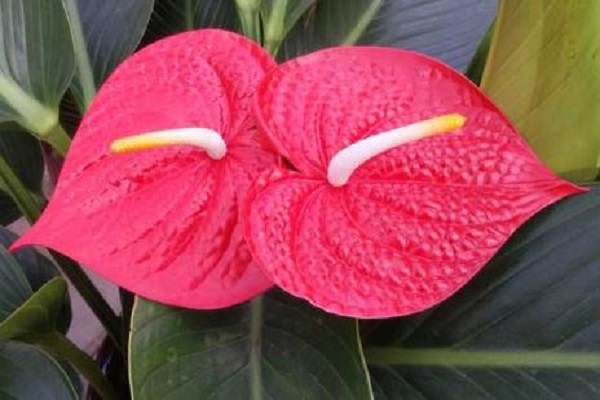
It belongs to the Araceae family. Its leaves stay green and do not drop all year round, and it can bloom throughout the year. Once it grows to a certain height, it can bloom at the leaf axils. Usually, after it blooms, each flower can last about 1 month, and its most remarkable trait is that it can bloom all year round. The flower colors are very magnificent and gorgeous, very rich and highly variable.
Its flowers undergo great changes from bud to withering: at first they are yellow, then become creamy, then turn green, and finally turn yellow again before withering. The spathe also comes in three colors: red, pink, and white. These characteristics are all particularly attractive.
II. Post-Blooming Care
1. The most unusual thing about its flowers and leaves is that they appear alternately: for each leaf that grows, a flower grows at its leaf axil, so if some of its flowers wither, new ones will still grow.
2. After all its flowers have withered, it is best to remove the stems. First, because the remaining stems not only affect the plant's appearance but also consume some nutrients, which is bad for its growth, and second, when the flower stems wither and turn yellow, they can invite pest and disease damage.
III. Daily Care
1. Water it more, and ideally alternate between dry and wet. In late autumn and early spring, control watering; do not let too much water accumulate in the pot. Add compound fertilizer two to three times a month.
2. Repot it once every one to two years in early spring. While repotting, remove the aged roots and replace with fresh fertile soil. Put coarse sand at the bottom of the pot to help drain excess water.
3. Its growth requires a temperature of 20 to 25 degrees, and indoors in winter it must not drop below 16 degrees. In hot seasons, sprinkle water on the leaves and the ground two to three times a day to help increase humidity and lower temperature. At noon in summer, use shade material to shield it from the sun; in the evening and morning when sunlight is weaker, let it receive light. In winter, place it in a sunny area.