How to water Arundina graminifolia? A detailed guide to the correct watering method
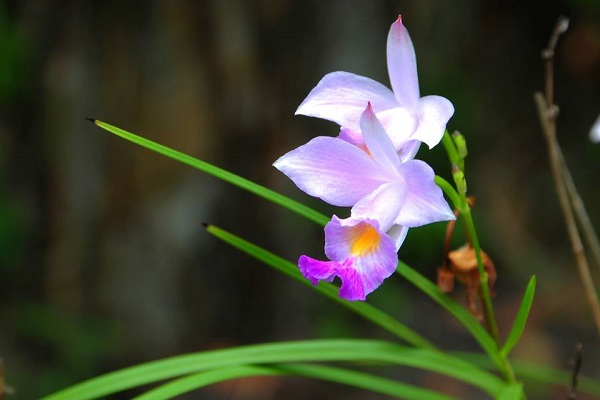
1. Watering principles
Water when dry, stop when wet, and keep it slightly on the dry side. But each watering must soak through; the worst thing is to water half and leave half, as over time the potting soil will clump and seriously affect the plant's normal growth. Before watering, it is best to put the water in the sun for a while, or let it sit for a few days before use.
2. Watering in spring and autumn
These two seasons are its growing period, and it needs a large amount of water for growth. It should be watered once every 2 to 3 days, and the specific time is best chosen around 10 a.m. or around 4 p.m. Just keep the potting soil at 80% humidity.
3. Watering in summer
The temperature in this season is higher, and water loss is also greater, so the plant must not be allowed to become short of water. The potting soil should likewise be kept at 80% moisture. Watering about once every 1 to 2 days is enough, and the watering time is best chosen in the early morning or evening; in summer, never water in the sunlight.
4. Watering in winter
In winter, watering should be reduced, and water only when the surface layer of the potting soil is on the dry side. Moreover, before watering, the water should first be left indoors for a while, and once the water temperature is close to the indoor temperature, then water it.
5. Points to note
No matter when you water, there should never be standing water or the potting soil kept in an overly humid environment for a long time.
If the flower soil has relatively high drainage capacity, the watering interval can be appropriately shortened.