What are the propagation methods for the Philodendron 'Green Emerald'?
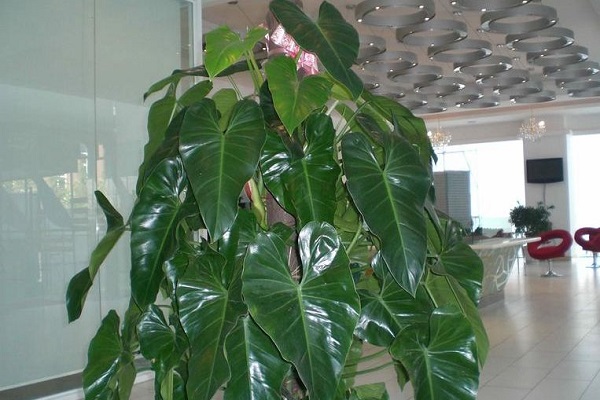
1. Method
The most common propagation method for this plant is stem cutting propagation.
2. Timing
From April to August each year, the climate conditions during this period are relatively suitable for the growth of the cuttings.
3. Environment
The temperature should be maintained at around 25°C, and the air needs a certain level of humidity and should not be too dry. At the same time, prepare moist sandy soil in advance.
4. Method
Select 3 to 4 nodes at the rhizome, remove all the lower leaves, then insert it directly into the sandy soil. Roots will form in about 15 to 20 days, and at that point it can be transplanted or planted in its final position.
5. Precautions
① Before it takes root, do not let it get sunlight for the time being; it can be placed in a bright spot.
② During this period, be sure to keep the soil and air moist. The speed of rooting is also related to temperature. If neither the nighttime environment nor the temperature can be controlled, you can wrap the whole thing in a thin layer of plastic, open it during the day to let it breathe and mist it at the same time to retain moisture.
③ When transplanting or planting in its final position, be sure to choose soil with good drainage, good aeration and sufficient nutrients, and choose a flower pot with good aeration as well, especially for beginners at growing flowers, who should be even more careful in making this choice.
④ When planting in its final position, about 3 to 5 plants per pot is enough. A cylindrical support can be placed in the middle to let it climb and grow around this cylinder.
⑤ Before it has adapted to the new environment, care for it carefully; only after it has adapted can it be tended according to general methods.