How to grow Sansevieria trifasciata 'Laurentii'? Detailed guide to cultivation methods and precautions
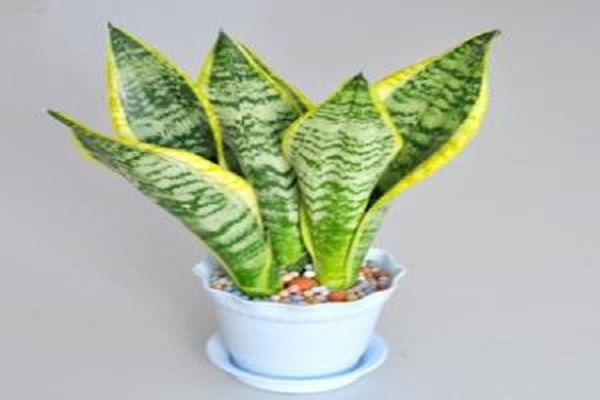
I. Cultivation methods
1. Fertilizing
During its growing period, it needs fertilizer once a week, which can be combined with watering. It is best to use a compound fertilizer that dissolves easily in water, and you can also add some bactericidal agents. In spring, you can give it bean cake fertilizer, which must be fully decomposed. Add cake fertilizer during the growing season, and once winter arrives, stop fertilizing temporarily.
2. Water and light
If there is too much water, the lower part of the leaves will easily rot, so wait until the pot is dry before watering. In hot seasons, water a bit more to make the soil more moist. Because it is afraid of overly strong light, it also needs a little shade in hot weather. In winter, place it in a sunny area and do not water much. If it is planted in a plastic pot, use even less water, otherwise the roots will easily rot. During its growing period, clean the leaves to keep them tidy.
3. Pruning
Compared with other green plants, its growth rate is relatively fast, so the space in the pot is easily filled up. At this time, it should be trimmed by cutting off aged leaves and overly dense areas.
4. Repotting
It is a perennial, so it needs to be repotted once every 2 years. Fertilizer should be added to the new soil so that it can provide the necessary substances for its growth and help it grow better.
II. Precautions
1. Its best growing period is spring and summer, but it can be propagated from seedlings all year round.
2. Although it is not very demanding about soil, soil with good drainage and good aeration can promote its growth better. Sandy soil is best.
3. After cuttings, it is best to maintain a humidity of 75% to 85%. This is the optimal humidity.
4. It is suitable for growing at 18 to 27 degrees. In winter, it needs to be above 12 degrees to safely pass through the cold winter.
5. As a foliage crop, it likes long periods of sunlight very much. Because it contains three colors, it needs the sun even more. The better the light, the greener the leaves. If you keep it at home, also place it in an area with light.