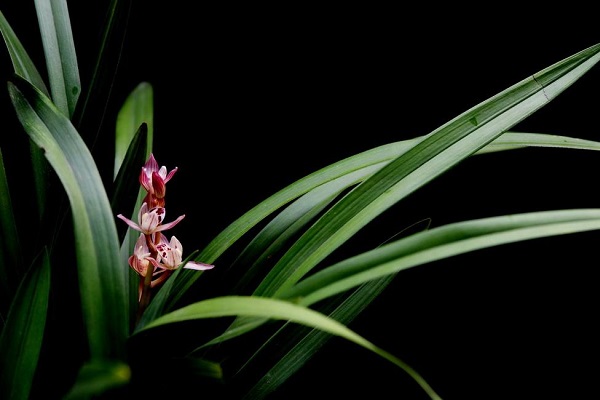
How to care for Cymbidium goeringii? Mastering the right method is key
1. Temperature
Between 15°C and 30°C, it can grow well, but if the temperature rises to 35°C, it will affect its growth, and when the temperature drops to 5°C, it will stop growing. It must be emphasized here that 5°C outdoors is not the same as 5°C indoors; 5°C outdoors will frostbite it. In winter, if the outdoor temperature drops to 7°C to 9°C, it should be moved indoors.
2. Sunlight
If the temperature is between 15°C and 30°C, at this time it is enough to avoid the overly strong midday sun, but if the temperature reaches 35°C, it should be moved to a shaded place. In winter, it can be placed on a south-facing balcony.
3. Water
During the growing period, water must never be lacking, especially in summer, when the temperature is already high; if water is lacking at this time, it can easily cause poor growth. But watering also follows principles: when the potting soil is 80% dry, you can water, and if you cannot judge this degree well, then it is better to water when it is a bit drier.
At the same time, when watering, make sure to water thoroughly in one go, otherwise over time the soil will clump, which will seriously affect the plant's health. If the soil you use has very good drainage, then in summer you can water once a day. When the temperature drops to 5°C in winter, watering must be reduced.
4. Nutrients
During its growing period, fertilize once every 10 days to 15 days, but pay attention to a reasonable combination of flower fertilizer, or directly choose a dedicated flower fertilizer. During fertilization, do not splash the flower fertilizer onto the plant surface, so as to avoid burning the plant. Fertilization should be suspended in winter.
5. Soil
The roots of Cymbidium goeringii are fleshy roots, which have relatively high requirements for potting soil. It must be grown mainly in sandy potting soil to grow it well.