Reasons for and solutions to bowl lotus leaves withering
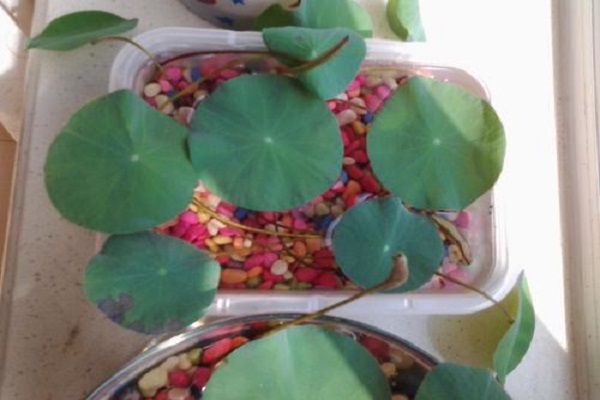
1. Improper fertilizing
1. Too much fertilizer
If the amount of fertilizer is too large, it may damage the roots. Its roots will die, and their ability to absorb nutrients will weaken. The whole plant will look listless, growth will slow down, and the leaves will wither.
Solution: If this is the case, it is recommended to dig it out and start planting it again, replacing it with a new pot of clean soil, without adding fertilizer, and spraying a little more water on the leaves. After digging it out, you can check the condition of the roots. If they are black, very short, or gone, that means the judgment was correct.
2. Lack of fertilizer
If there is too little fertilizer, the color of the leaves will become lighter. This generally happens in the later stage of its growth or during the growing period. If it lacks nitrogen, the old leaves will look as if they have withered, the new leaves will become smaller, and the stems will be thin and weak.
Solution: Add some fertilizer rich in nitrogen. Do not use too much at one time; you can increase the frequency.
2. Soil tending toward alkaline
If it tends toward alkaline, it will affect the roots' absorption of some trace elements. The leaves will have no extra nutrients to absorb, so they will wither.
Solution: You can add some ferrous sulfate. This can change the pH value of the soil and also supplement iron.
3. Unsuitable environment
1. Insufficient light
If it is not allowed to receive the sunlight it needs, this will affect the production of chlorophyll, so the leaves will wither.
2. Freezing
If it is winter, being too cold or having too great a temperature difference can both cause the leaves to wither.
3. Disease
If it is affected by disease, the leaves will develop yellow spots, then turn brown, and die.
Solution: It is a plant that likes warmth. Receiving light throughout the four seasons is very good for its growth. It should be placed in a place with light and wind, and it should not be kept in a cold, shady area all the time. In winter, it should be placed indoors, and a suitable environment should be created for it. If there is disease, buy a specialized pesticide and spray it on the leaves. Do not make it too concentrated; you can spray it several times. It is aquatic and cannot leave the water, so make sure there is enough water. It lives in higher-temperature latitudes, so it should not be too cold, and in winter you need to help it get through safely.