Can bowl lotus be grown in sand? A detailed guide to planting precautions
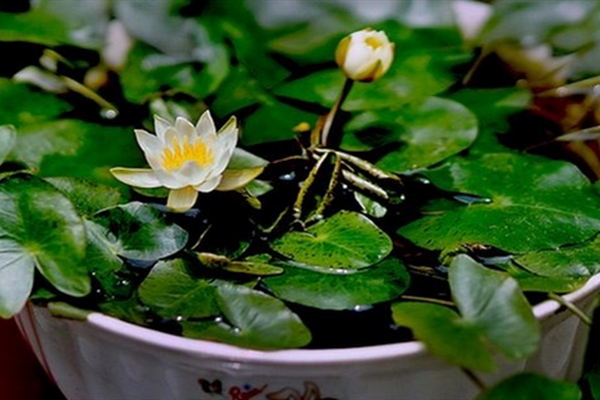
1. Whether it is possible
In theory, yes. Generally, a plant can survive as long as its needs for light, water, nutrients and other substances are met. Here there is one issue: sand is merely plain particles and contains no nutrients at all, so can it keep the plant alive?
2. The reason
Generally, growing plants with sand as the substrate and without any soil-based medium is called soilless cultivation. This method uses bacteria-free water, sand and gravel to replace soil as the growing medium for the plant. Inorganic fertilizer is mixed in to serve as the plant's nutrients.
3. Advantages
This method can effectively avoid pests and diseases caused by soil contamination; the inorganic fertilizer added has no smell and does not breed mosquitoes or insects, making it very clean and hygienic. Bowl lotus grown this way has darker green leaves, and its flowers are numerous and large, with beautiful colors and a particularly long flowering period.
4. How to grow it
(1) Soilless planting requires a suitable container. Generally, a round glass tank used for keeping goldfish is used, then the outside of the tank is wrapped with a layer of opaque black paper or black cloth, and finally a layer of white paper is wrapped around it. This is the way to keep it dark; it not only prevents the nutrient solution from growing algae under light, but also helps prevent the plant's underground stems from turning green and affecting the blooming of the flowers. If you do not want this trouble, you can directly buy a porcelain pot or a purple clay pot.
(2) For the type of sand, coarse sand can be chosen; this kind of sand is mainly used to fix the position of the lotus root. When planting, first place the lotus root horizontally on the surface of the sand, then put some sand on top to cover the whole lotus root. It is worth noting that the tail of the lotus root must point upward. Finally, slowly pour water into the pot.
(3) Since the lotus root itself carries nutrients, it will sprout on its own and grow runners, then grow leaves.
(4) However, since the nutrients in the lotus root will eventually be used up, some nutrient solution rich in elements should be added, once every week.