How to Root Lucky Bamboo After Bringing It Home
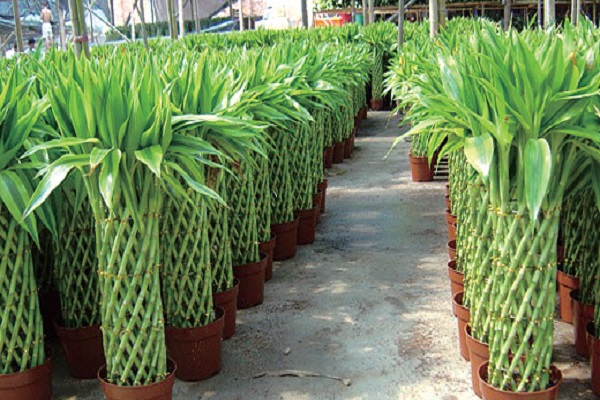
1. Growth Habits
If you want to help it root, the first thing to understand is its growth habits. Every plant has optimal conditions suited to its growth, and only by understanding its habits can you create the environment for it to root.
Lucky Bamboo likes environments with higher humidity and warmth, and grows better in dim light, especially in semi-shaded conditions. It is highly tolerant of waterlogging and cold, and is suited to growing in sandy soil with good drainage.
2. Tips for Rooting This Plant
Actually, getting it to root and survive is not difficult. At present, growing it in water greatly increases the survival rate compared with soil culture, and various external factors also have an effect.
(1) Light: It is not strict about light. You can try creating a semi-shaded or dimmer environment, especially during the period from April to September when light is stronger. Avoiding direct sun and keeping light mild will help the plant root.
(2) Temperature: It likes high temperatures, but keeping the temperature within the range of 20 to 28 degrees is sufficient. The overwintering temperature must not be lower than 10°C.
(3) Water: Water is the prerequisite for whether the process succeeds, and it also directly affects root development. If water quality cannot be guaranteed, even successful rooting will lead to rot. The water used to soak Lucky Bamboo is generally overnight tap water or cooled boiled water. After rooting, nutrient solution can be added appropriately, but not in excess.
(4) Fertilizer: It has little need for fertilizer. If fertilizer is excessive, it will "burn" the roots or make them grow rapidly, so only a small amount of compound fertilizer needs to be applied after rooting. Going without fertilizer for a long time is also not good; if nutrients cannot be supplied, it will not only affect the roots but also cause the leaves to turn yellow.