How to Plant Rapeseed: A Detailed Guide to Sowing Methods and Growing Techniques
1. Collecting the Seeds
After the rapeseed flowers fade each year, many seed pods form, and inside these pods are plenty of seeds. When the pods are about to split open, we can break them open by hand and take out the seeds inside. After the seeds are removed, dry them properly in the sun, and they can be stored to plant that same year.
2. Turning the Soil Before Planting
Before sowing the seeds, we should first apply a little farmyard manure to the soil and turn it over. This not only makes the soil more fertile and nutritious but also lets more air into the soil, making it easier for the young sprouts to breathe.
3. Sowing
After the soil is turned, wait about 2 to 3 days, then we can scatter the seeds on the turned soil. When sowing, it is best to dig a furrow in the ground, so you can plant some small rapeseed seeds along the sides of the furrow, and then water along this small trench. After the seeds are scattered, we should cover them with a suitable layer of soil, not too deep, generally about 1.5 cm thick.
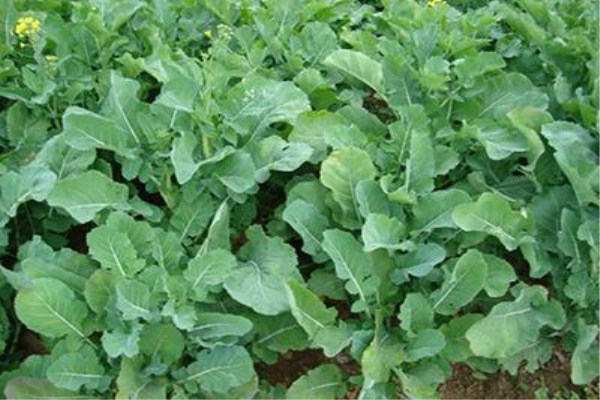
Once covered, we need to sprinkle water over it, like ordinary rainfall, but the soil must not become compacted, otherwise the small rapeseed seedlings will not be able to break through the ground after sprouting and will easily die. After watering, the young seedlings can be seen in about 5 days. At first they are very small, and after a few more days they gradually grow bigger.
4. Later Care
As the seedlings gradually grow, plenty of weeds are bound to appear. At this point we need to be diligent: whenever we see weeds, we should carefully pull them out without harming the seedlings. Then the seedlings will grow bigger and bigger, and we need to give them enough water, but not too much; just the right amount is fine. If there is too much water, it will cause root rot and even kill them, so water control is very important. Besides water, they also need appropriate light, which helps the seedlings grow faster. After about 25 days, they will be fully grown, and then we can harvest and eat them.