As the weather warms up, you need to hurry with repotting your flowers, otherwise they'll have no room to grow vigorously.
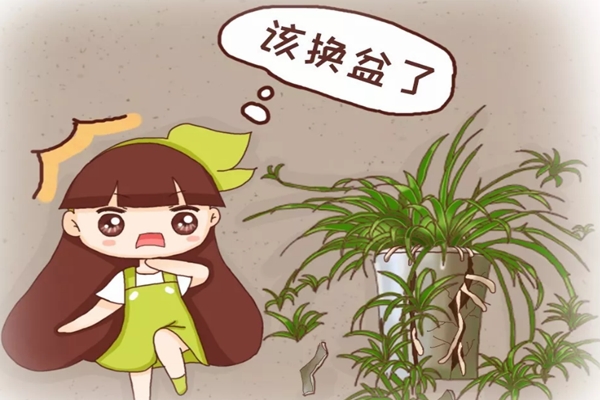
Does your flower need repotting?
Repotting is very important for growing flowers. If you don't repot for a long time, the nutrients in the potting soil will be depleted, and the plant won't be able to absorb nutrients, causing it to grow weak and listless.
If you have these 3 situations, your flower must be repotted!
1. Some flower lovers have kept pothos, camellias, and other flowers for 3 or 4 years without any major problems, but they haven't repotted even once during that time.
2. For spider plants, clivias (Kaffir lilies), and other flowers you're growing, the pale white roots are almost growing out of the pot, or the pot has cracks.
3. You water, fertilize, and prune the same as before, but the flower just won't grow, or the leaves are getting thinner and the color is getting duller.
What preparations are needed for repotting?
After deciding to repot your flower, besides preparing a new pot, you also need to do some other preparation work. Let's take a look~
What preparations are needed for repotting?
1. Prepare your tools, such as a gardening trowel and gardening scissors. You'll need the trowel when removing the flower from its pot, and the scissors when trimming the roots.
2. Prepare a new flower pot and new nutrient soil. Generally, it's best to buy a ceramic pot, as this kind of pot has good breathability and is more beneficial for flower growth. But a newly bought pot needs to be soaked in clean water for 1 or 2 days, then dried before use.
3. Prepare carbendazim or potassium permanganate solution. If the flower's roots rot during repotting, trim them with a knife, then soak them in carbendazim or potassium permanganate solution for half an hour, which can sterilize and disinfect.
4. Stop watering the flower before repotting. Stop watering the flower one week before you plan to repot, which helps with removing the flower from its pot and minimizes the damage to the flower.
The specific steps and precautions for repotting!
Once you're ready, you can repot. Pick a sunny day, and it's best to repot at noon when the temperature is higher. Be careful not to repot on rainy or overcast days.
The specific steps for repotting:
1. Use chopsticks or a wooden stick to poke a few times in the pot to loosen the soil, then tip the flower and potting soil out together. For large flowers, you can grab the stem with your hand and gently pull it out.
2. Break up the soil around the flower's roots and clean the roots thoroughly. If you find roots that are rotten and black, cut them off with scissors. If there's no rot, you can trim the overly long and old roots.
3. Place the plant's roots in carbendazim solution or potassium permanganate solution and soak for about half an hour. This prevents root rot. After removing, let them dry in a cool place.
4. Put new nutrient soil in the pot, then plant the flower in it. Gently press down the surface soil, then water thoroughly once and place it in a cool place to recover for a week. After that, normal care is all you need.
What should you pay attention to when repotting different flowers?
Different flowers require some special techniques when repotting. Next, Huahua will tell you what to pay attention to when repotting different flowers.
Repotting precautions for different plants:
1. When repotting clivias (Kaffir lilies), you can put some sunflower seeds at the bottom as base fertilizer. Sprinkle a layer of sunflower seeds at the bottom of the pot, then add a layer of soil, then sprinkle another layer of sunflower seeds, then add more soil, and the clivia can be potted. Be careful that the roots don't directly touch the sunflower seeds.
2. For money trees with severe root rot, you can cut all the roots off, then soak them in rooting water for a day before potting. Additionally, placing some broken tiles at the bottom of the pot can also help prevent root rot.
3. Succulents are very afraid of waterlogging, and their roots rot easily. When repotting, lay some clay pebbles at the bottom of the pot, which can effectively prevent water accumulation and improve the pot's drainage and breathability.
That's all for today's repotting knowledge.
Hurry up and take action~
If you still have any questions,
Feel free to tell Huahua in the comments~