How to Grow Echeveria 'Beautiful Lotus'? A Detailed Guide to Its Care
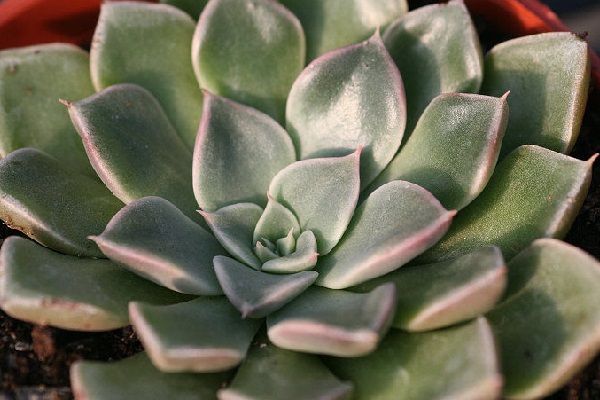
1. Sunlight
It has a relatively high demand for sunlight, so when choosing where to place it day to day, pick a spot with plenty of sun. If it does not get enough sunlight for a long time, the plant will easily become sparse and loose overall, and at that point, seeing it bloom is almost impossible. So it is best to give it ample light all year round.
2. Water
This plant likes to grow in a relatively dry environment, and it can tolerate drought but not moisture. So when watering routinely, first check the soil and water only when the soil is on the dry side. Never let water accumulate when watering, and do not keep the plant in a damp environment for long periods. Reduce watering in winter.
3. Pruning
Although this plant does not need much pruning, after its flowers fade you should promptly cut off the flower stems to keep them from consuming nutrients, which would cause an imbalance in the plant's nutrients; this also helps maintain the beauty of the leaves.
4. Temperature
When summer temperatures are too high, even if you do not deliberately cool it down, you must still give it good ventilation, and this is very important; in winter it can survive at temperatures above 5°C, but this refers to indoor temperatures. If it is 5°C outdoors in the north, it needs to be moved indoors. In addition, if you want it to bloom, place it at around 10°C for one month before the flowering season, which makes it easier for it to produce flowers.
5. Nutrients
Its nutrient needs are not particularly high, so you only need to fertilize in spring and autumn, when the plant is growing most vigorously, applying fertilizer about once every 20 to 30 days. You can buy a dedicated fertilizer or mix your own. If you are a beginner grower, mixing your own is not recommended. You can pause fertilizing at other times.