How to care for gloxinia (Sinningia speciosa) before it blooms? These methods you need to master
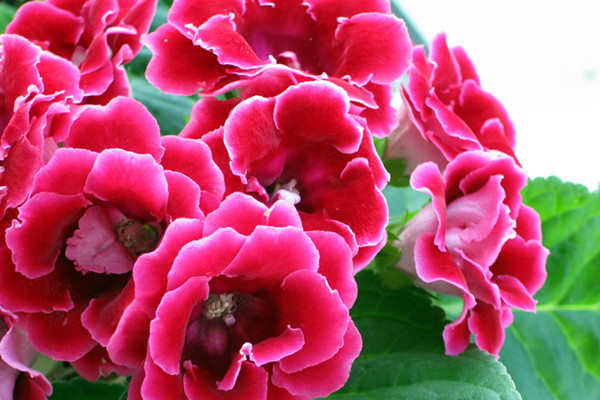
1. Temperature:
This plant likes to grow in the range of 10°C to 25°C, but overall, the different seasons create different temperature requirements. From January to October, the temperature is best kept at 18°C to 25°C. Because both of its flowering times fall within this period, we need to control the ambient temperature well, so that its leaves develop lushly and emerald green, and the flowers also grow large and vivid.
2. Light:
This is a semi-sun plant, and it generally needs to be shaded; do not let it receive too strong light. But before flowering, you can appropriately extend its shading time, which can achieve the goal of prolonging the flowering period.
3. Water:
Before flowering there will be buds. At this time you must remember not to spray water on the flowers and leaves, because once they get water on them, they rot very easily.
4. Fertilizer:
This plant consumes a large amount of fertilizer to bloom, so we must replenish it well. From when it unfurls its leaves until before it blooms, you can add a relatively dilute organic liquid fertilizer once a week. After its flower buds form, phosphorus fertilizer needs to be increased. When fertilizing, do not get it on the leaf surface, and after applying it, also wash the leaves once with a water basin; it is best to wipe off the water after spraying and washing, to avoid the leaves rotting.
5. Pruning:
When it blooms, some leaves around the buds will hinder them from opening, so before flowering we can prune it first, cutting off the leaves that would obstruct flowering according to the position of the buds.
In addition, you can also cut off the lower buds, so the buds concentrate at the top of the plant, forming the look of a bouquet.