How to grow Gloxinia so it thrives
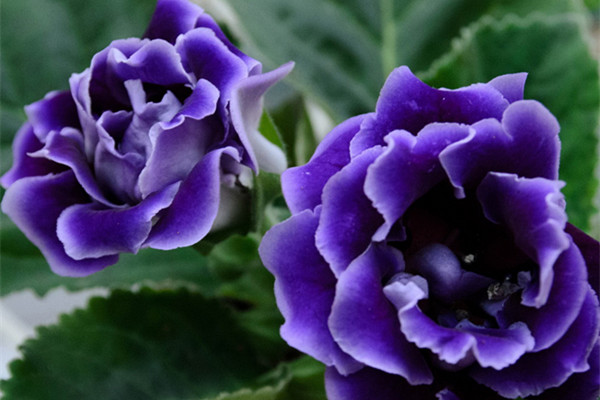
1. Soil:
A luxuriant potted plant is inseparable from soil that suits it. This plant likes loose soil with good water permeability. If we want to mix it ourselves, we can use relatively coarse-grained sand and gravel mixed with some soil, then mix a small amount of already decomposed poultry manure into the soil. If buying, you can buy special flower soil for this plant.
2. Temperature:
A suitable temperature can make its leaves grow better and better, and its flowers large and colorful. So we can control its ambient temperature. From January to October, the temperature can be maintained at 18°C to 25°C, and in the remaining months it can be maintained at 10°C to 12°C.
3. Light:
It is a semi-sun plant, so pay attention to providing shade for it normally. In winter, when it is in the seedling stage, we must provide it with plenty of light. In summer, it can be placed in a ventilated room where scattered light can shine in for care. At this time, the light must not be too intense. When it is blooming, the shading time can be increased.
4. Watering:
Be careful not to splash water on the flowers and leaves when watering, otherwise they will rot, so the immersion method is generally used to replenish water. Water in the right amount, otherwise it will cause the tuber to rot, the leaves will begin to turn yellow and withered, and then the whole plant will begin to die. In summer, because the temperature is too high and water is lost faster than usual, we can replenish water once or twice a day.
5. Fertilizer:
Before the flowering period arrives, a dilute flower fertilizer needs to be added once a week to supplement the nutrient needs during the growth period. After flower buds form, add phosphorus fertilizer. Be careful not to get it on the leaves. If it does get on them, wash it off promptly, then wipe the water stains dry.
6. Pests:
During the development of this plant, pest problems may occur and threaten its survival, so we should take corresponding preventive measures.