What kind of soil is best for planting Daphne odora 'Aureomarginata'? A detailed guide to soil mixing
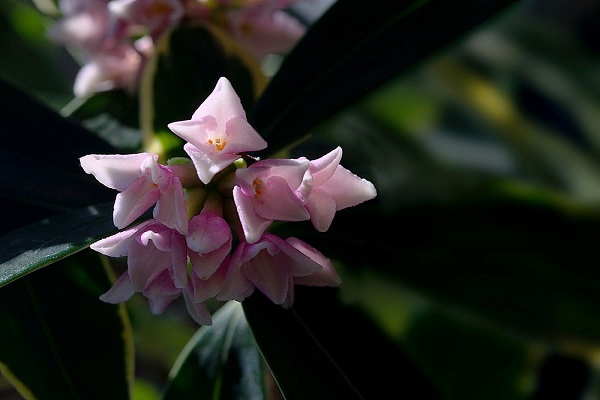
1. Specific requirements
(1) The first requirement is, of course, that it contains abundant nutrients, since the plant mainly draws its nutrients from the flower soil, especially when it is growing very fast and when it is blooming, so this point must be given special attention.
(2) The second requirement is loose soil texture; most plants have this requirement.
(3) Then there is the habit of this plant to consider: it prefers slightly acidic flower soil, so we also need to consider the acidity and alkalinity of the flower soil; soil that is too alkaline is of course not good.
(4) In addition, there are the requirements regarding the air permeability and drainage of the flower soil. Drainage especially, because this plant has fleshy roots, so it is particularly intolerant of waterlogging. If the drainage is poor, once there is too much water, root rot is very likely to occur.
2. Specific flower soil choices
In view of the above requirements, we can mainly choose leaf mold. However, this one type of soil alone is not enough; garden soil and sand soil also need to be mixed in. A ratio of about four to four to two is fine. Of course, in order to provide the plant with enough nutrients and to reduce the burden of artificial fertilizing later, we can add a little base fertilizer to the cultivation soil, and in this way the nutrient supply can be ensured.
3. Points to note
After choosing the soil, it is best not to use it immediately; first leave it in strong light to dry for a while, as this can remove harmful bacteria and other microorganisms.