How to Grow a Jade Plant So It Blooms: A Full Guide to Care Techniques
1. Light
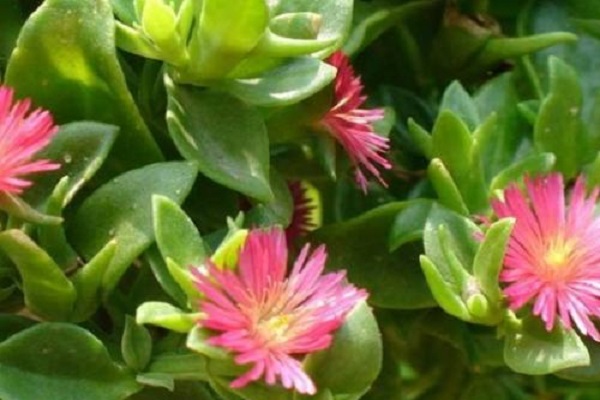
It originates from Africa and loves sunlight, so place it somewhere with plenty of bright light; this is the most important point for getting it to bloom. In winter, move it indoors, keep the temperature above 7 degrees, and place it in a spot with light so that it can produce pinkish-white flowers the following spring. In hot weather it enters a semi-dormant state; if the light is too strong, the leaves will get sunburned, so shade it. From August to October the weather is cooler, which is its growing season, so resume full light at this time.
2. Watering
Its leaves are very succulent and highly resistant to drought, so do not water it too much normally; wait until the soil has dried out completely before watering. In summer, when temperatures are very high, do not leave it baking in the sun and then give it a lot of water, as the leaves will easily drop off. If it keeps raining heavily, move it indoors to prevent root rot.
3. Fertilizing
During its growing season, give it a liquid fertilizer containing nitrogen, phosphorus and potassium once every 7 to 10 days, and do not make it too concentrated. By late November it will start blooming at the tips of the leaves, and from January to March it can be covered in flowers. Do not fertilize in summer, and keep it ventilated, otherwise the leaves will easily turn yellow and fall off. Before frost, move it indoors, stop fertilizing, and water roughly once every 15 days.
4. Pruning
Prune it into shape every year, generally in spring when you repot and change the soil or in early winter when you move it indoors, so the plant looks good, and even more wonderful together with its flowers. You can trim it according to your own preferences: you can shorten branches that are too long, remove crowded branches inside, and cutting off some leaves is fine too.
5. Points to Note
Turn the pot once every 15 days to avoid uneven light, which would make one side grow long and the other short, affecting its appearance and also harming flower growth. Do not touch its sap carelessly, as it is toxic; do not let children swallow it by mistake, as contact with the skin causes swelling and getting it in the eyes can cause blindness.