How to grow Japanese anemone? A detailed guide to cultivation methods and precautions
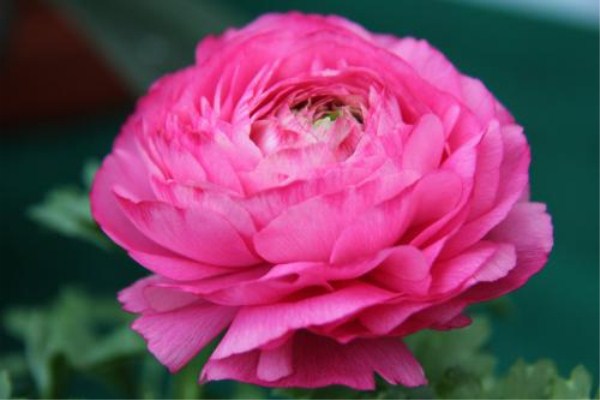
I. Cultivation methods
1. Light management
Although it likes light, it cannot tolerate strong light, so in summer it must be given sufficient shade to prevent the sun from scorching it. In winter, it can be allowed to enjoy full light, because this lets the flower buds differentiate as early as possible, so that the flowering period comes earlier. If the light duration is too short, the flowering period will be delayed, and side buds will be promoted to grow, increasing the number of flower buds and the number of blooms. It can thus be seen that long-day conditions can advance the flowering period, while short-day conditions can increase the number of flowers; each has its advantages, so when choosing light for it, we can determine the length of time according to our own needs.
2. Water management
It is very afraid of moisture and tolerant of drought, but it must not be too dry. Especially in the late growth stage, soil that is too dry will put it into a dormant state, thereby affecting the quality of the bulbs. After planting, give it a first thorough watering, and after that each watering should be timely, taking care that the soil is neither too dry nor too wet, with the standard being that the leaves do not show wilting.
3. Fertilizer management
Before planting, apply enough base fertilizer, commonly cake fertilizer or livestock manure. Then after transplanting, once the plant grows new leaves, start appropriate topdressing, once every 7 days. In winter, be careful to switch fertilizers; chlorine-containing compound fertilizers must not be used at all. After flowering, appropriately add 1 to 2 applications of potassium fertilizer to support bulb growth.
4. Temperature management
It likes cool shade, and the temperature should be suitably high or low, with the temperature difference between day and night not too large. During the day, the temperature can be kept at 15 to 20 degrees, and at night 7 to 8 degrees is enough.
5. Flowering period management
After it blooms, adjust the indoor temperature appropriately, with 15 degrees being optimal, as this can extend its flowering period. Any diseased plants and spent flowers should be removed promptly, and watering should be even, with balanced dry and wet conditions.
II. Precautions
1. Water control
Although it is drought-tolerant, it should not be too dry. Especially in the late growth stage, pay even more attention to sufficient water, otherwise it is bad for the bulbs.
2. Summer withering
Regarding the phenomenon of it drying up in summer, many flower growers do not know what to do and worry especially, but in fact this is normal, because in summer it easily enters a dormant state. At this time, we can cut off the dead stems and leaves, then place it in a cool place and let the soil dry out, and all will be well.