How to grow gardenias so they bloom? A full breakdown of care methods
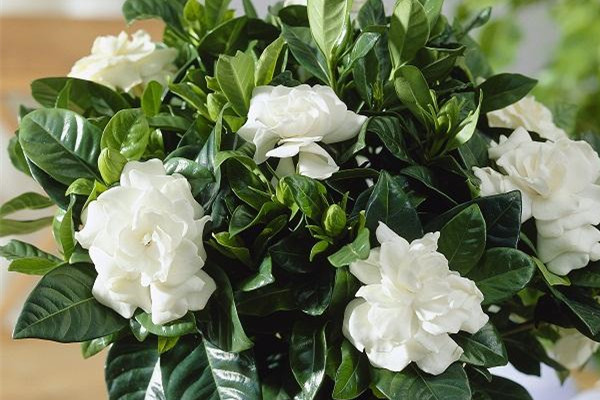
1. Soil choice. In the south, the plant blooms very easily, and slightly acidic soil is a major factor in promoting blooming. We can use a mix of leaf mold and peat soil; or composted sawdust mixed with half garden soil, but be sure not to use old wall soil or coal cinder for cultivation. If you want to save trouble, you can directly buy Clivia soil.
2. Suitable humidity. This flower likes moist soil and a relatively humid environment. At night, we can use a spray bottle to spray water on the leaves to replenish moisture. In the south, just water it directly with tap water; but in the north, because tap water is alkaline, northern tap water must be left to stand for two days before use, and every 3 to 5 days use water with 0.5 grams of citric acid per 1 liter of water as the flower's water source.
3. Timely topdressing. This flower consumes a large amount of nutrients, so we must supply enough fertilizer. During the bud stage, water once or twice with a solution containing 0.1 percent potassium dihydrogen phosphate. This practice can make the flowers larger when they bloom and the fragrance more intense.
4. Provide light. Only with more exposure to sunlight will it produce more flowers. If it grows in semi-shade for a long time, the flowering branches will grow long, but the number of flowers will be relatively small. Apart from summer, when the sunlight is relatively intense, and winter, when it enters dormancy and needs shading, it can be placed in the sun at other times.
5. Insulation measures. Severe winter will damage the plant's root system, and it will also recover relatively slowly in spring, but if it is placed indoors, because the light does not meet its needs, the flower buds formed in autumn will fall off, and the next year's blooming will also be relatively late. So we can wrap it well with foam plastic for insulation and place it in a sun-facing and wind-sheltered spot to get through the winter.