How to grow plum blossom bonsai well? A full guide to cultivation methods
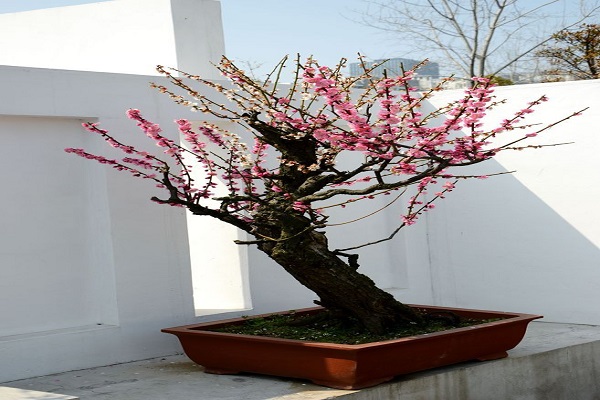
I. Cultivation conditions
1. Soil. Although the plum blossom is not very strict about soil, you should still choose loose, fertile soil, and do not water the bonsai frequently. Excess water is hard for the roots to absorb, and since drainage is inconvenient, the roots rot easily. You can buy soil specially formulated for plum blossoms on the market.
2. Temperature. The plum blossom blooms in winter, which is its most vigorous growing season. Although it is not afraid of severe cold, that does not mean it does not need light. If there is not enough light, photosynthesis will slow down, it will develop poorly, and the number of flowers will decrease. It likes moisture. If you keep it indoors, maintain ventilation.
3. Humidity. If the plum blossom is still growing, water it appropriately. If it is summer and the weather is hot, you can spray water mist around it to ensure the humidity it needs. In summer, it generally needs watering two or three times a day; in spring and autumn, relatively less, only once or twice. In winter, water only when the pot is dry.
4. Fertilizing. The plum blossom has very strong vitality. It does not need frequent care, nor should you add fertilizer from time to time. If winter is approaching, fertilize it once before that. If it is about to bloom, also fertilize once before that. If you plan to plant a new pot of plum blossom, first prepare base fertilizer, which is the basic condition for ensuring its healthy growth.
5. Pruning. Pruning the plum blossom has many benefits. Removing dead branches and fallen leaves first makes the plum blossom more ornamental, and secondly prevents nutrients from being wasted, otherwise the dead branches and fallen leaves will take away nutrients the branches need. So we should remove these dead leaves and withered branches. If the plum blossom grows many branches, we should also cut some off, so that nutrients can be used where they are needed.
6. Pests. Plum blossoms rarely grow pests, but pest damage is not ruled out. If your plum blossom is unfortunately infested by pests, you can spray pesticide, but be sure to pay attention to the solution ratio, otherwise the plum blossom itself will be harmed and its petals will turn yellow. If you spray the flowers to death too, the loss will outweigh the gain.
7. Diseases. If the plum blossom suffers from disease, the most common symptom is yellowing leaves, and the whole tree looks listless. First observe whether there are pests. If there are none, then it is disease. You can spray some nutrient solution on it. It does not need to be sprayed every day; once every 7 days for about 30 days will show results. Also, do not use too much; just make sure it covers all parts of the plant.
II. Precautions
When the weather is too hot in summer, do not let it be exposed to direct sunlight; provide appropriate protection.